© Mushroom Productions

Herrnhuter Brüdergemeine / Moravian Church

Discover unique cultural and architectural traditions 

The small East Saxon town of Herrnhut with its settlements of the Herrnhuter Brüdergemeine (Moravian Church) has been recognised as a UNESCO World Heritage Site in July 2024. It is now part of a transnational UNESCO site, which also includes the Moravian settlements Bethlehem in the USA, Christiansfeld in Denmark and Gracehill in Northern Ireland.

The Moravian Church, also known as Unitas Fratrum, is one of the earliest Protestant denominations and was founded in Herrnhut in 1722 by Protestant refugees mainly from Moravia, today part of the Czech Republic. It is now known worldwide for its missionary work, simple way of life and “Daily Watchword”, an annual publication containing a selection of short bible verses for each day of the year.

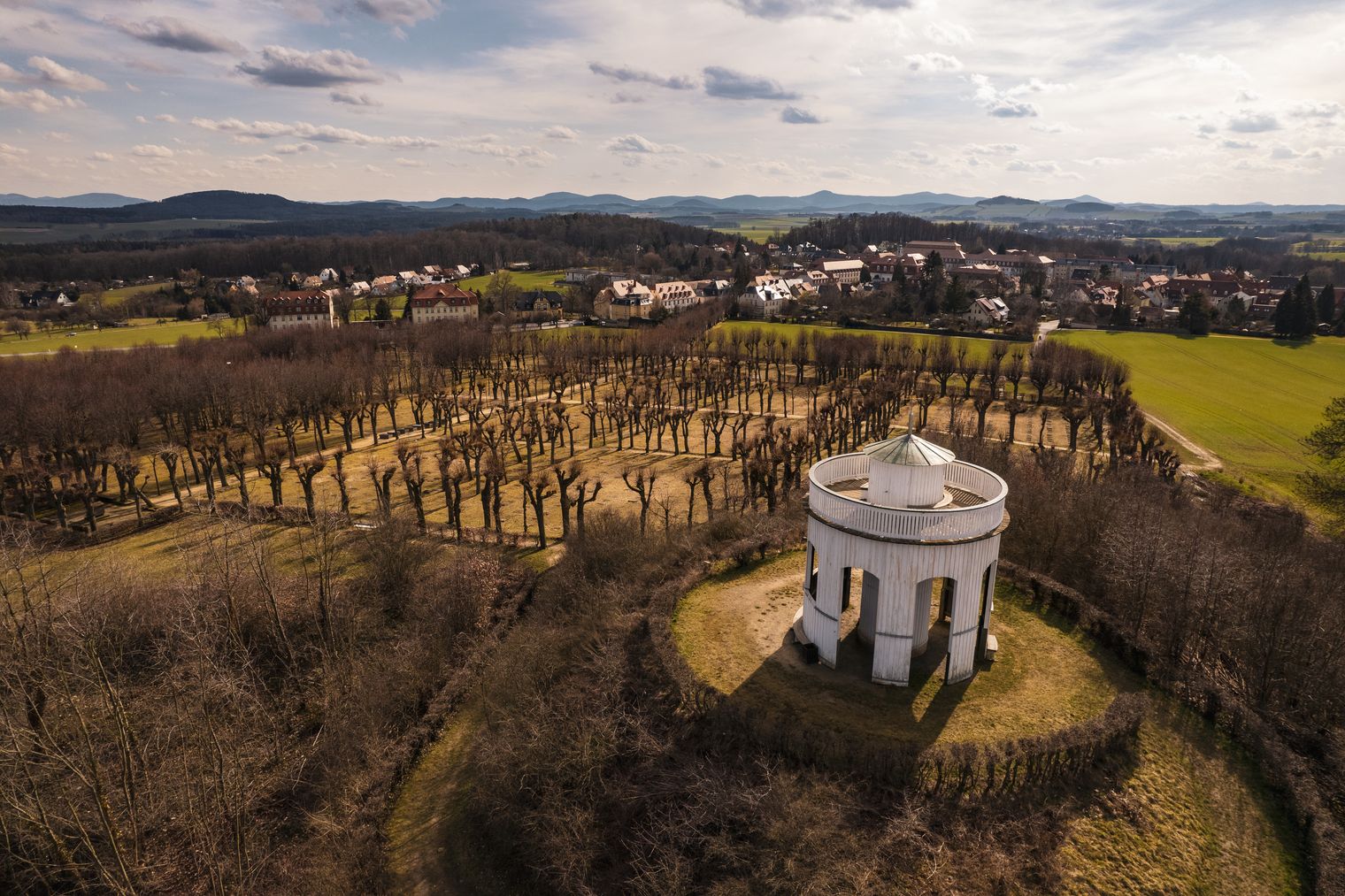
Herrnhut, a small town in Upper Lusatia, approx. 62 miles east of Dresden, is not only the place where the Moravian Church was founded, but also an outstanding example of this religious community’s way of life. Today’s visitors can still trace Herrnhut’s unique and strictly symmetrical layout, with spacious squares and communal facilities. With the Moravian Church’s missionary activities, more than 30 settlements worldwide have been built according to the principles established in the Moravian mother community in Saxony.
In essentials unity, in non-essentials liberty, and in all things love.
Nikolaus Ludwig von Zinzendorf - founder of Herrnhuter Brüdergemeine/Moravian Church

Herrnhut Baroque

Cultural and architectural tradition

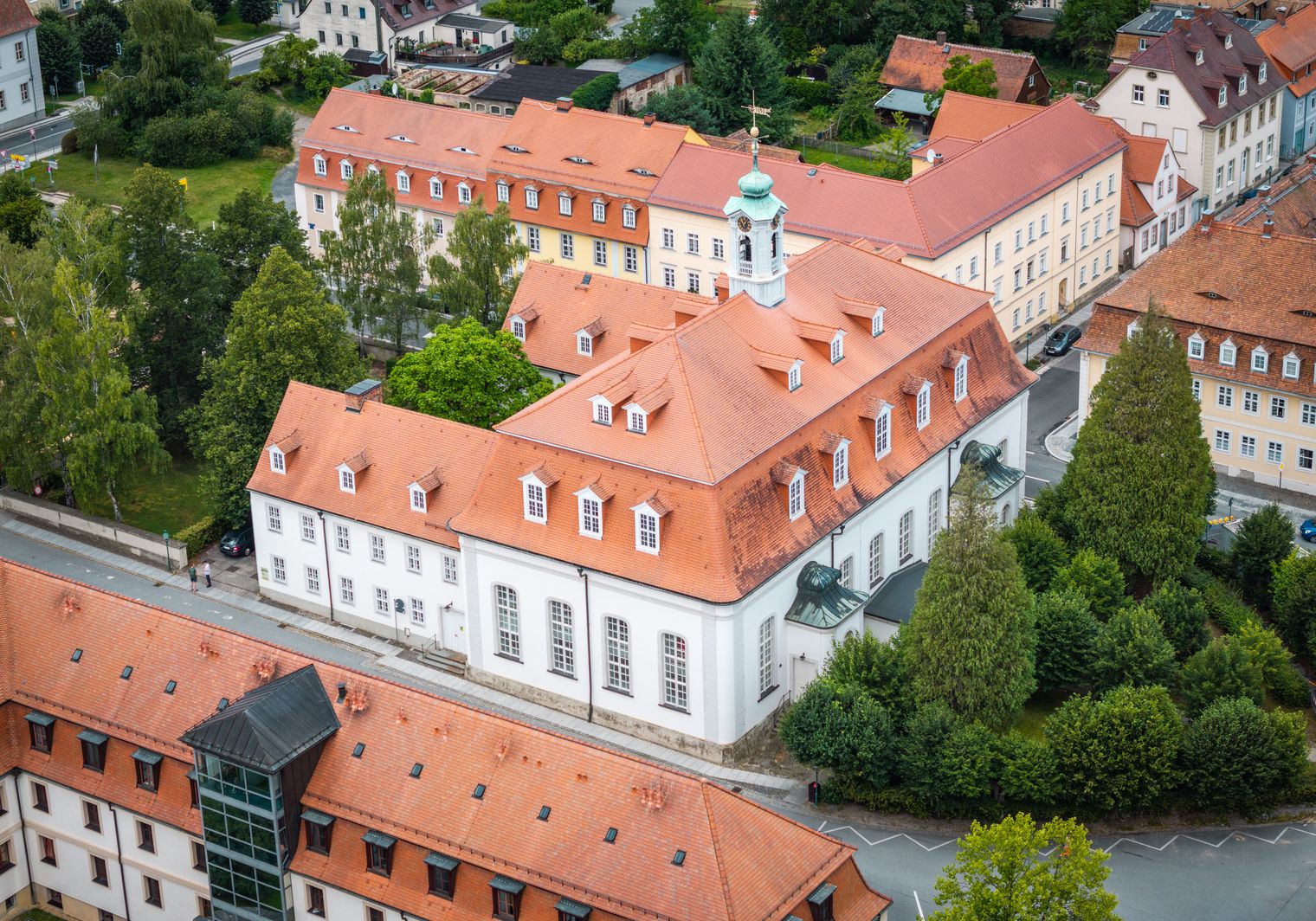
Herrnhut, the cradle of this movement, is known for its simple yet functional buildings and the iconic Moravian Star (Herrnhuter Stern), which is recognized worldwide as a symbol of the Moravian Church. These sites not only reflect the religious and social spirit of the Moravian Church but also bear witness to a unique cultural and architectural tradition that gave rise to the distinctive architectural style known as Herrnhut Baroque. Herrnhut is an important spiritual site and part of the pilgrim route Via Sacra. Discover this special place along the route and let yourself be enchanted by Herrnhut’s captivating atmosphere.

UNESCO Welterbe Herrnhuter Gottesacker ViaSacra
© Philipp Herfort Photography
Bird's view at Herrnhut
© Jens Ruppert
Moravian Star

Origin of all Christmas stars

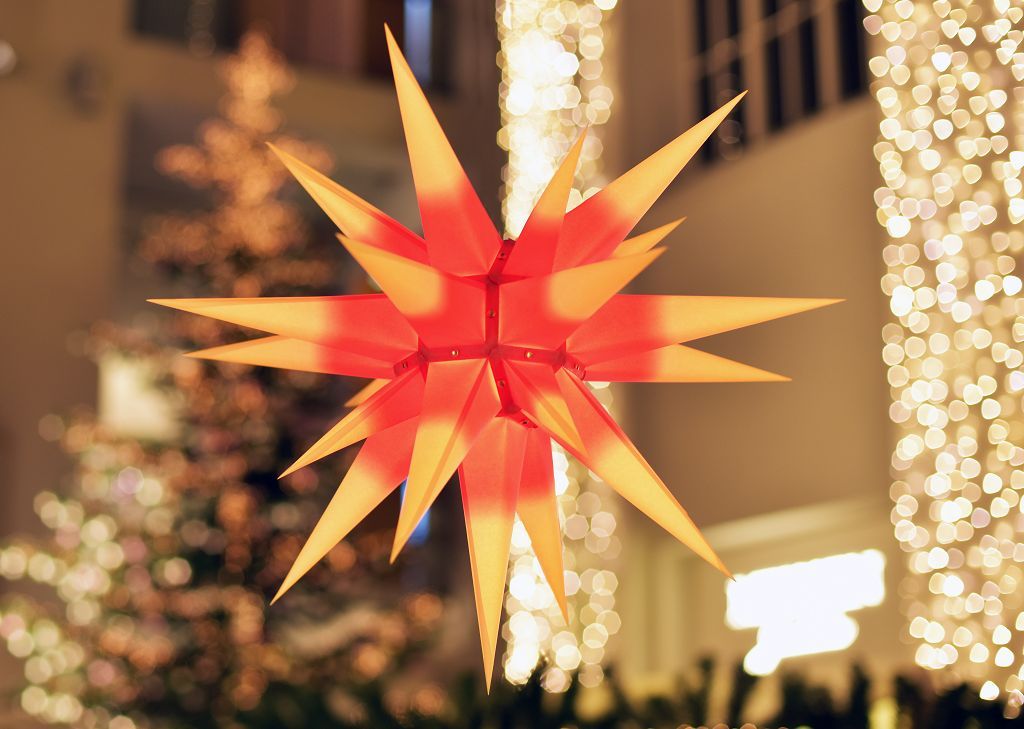
The Moravian Star

Herrnhut is also known for the iconic “Herrnhuter Stern”, or “Moravian Star” in English, which is recognised worldwide as a symbol of this religious community. It originated over 180 years ago in Saxony and today, this unique 25-point star is considered the origin of all Christmas stars and has become a popular festive decoration around the world. Today it also comes in different sizes and colours. A visit of the Herrnhuter Sterne Manufactory is a must when visiting Herrnhut. Visitors learn about the history of the star and how it became known all over the world. The manufacturing of the stars can be watched live, and creating your own personal star is also possible – and in high demand!

Discover Herrnhut with an audio guide

With the Herrnhut Audio Guide, exploring the history of the Moravian Church and this small town’s special significance as part of the transnational UNESCO World Heritage Site is possible at your own pace.

The audio guide takes you to the most important sites in the settlement and provides information about its origins, unique architectural style, religious background, and its current significance as a World Heritage Site--whether you are taking a walk on-site or listening from the comfort of your home.

© Mushroom Productions
Gottesacker (The Lord’s Field) cemetery in Herrnhut
© Ralf Ganter

What else to discover in and around Herrnhut

  • Visit Herrnhut's Ethnographic Museum. Its collection comprises around 7,000 objects e.g. from the Arctic, South and East Africa, the West Indies, Australia, and the Himalayas. Many of the exhibits came to Herrnhut through the global travels of Herrnhut missionaries. 

  • During your exploration of Herrnhut's history, make sure not to miss Zinzendorf Castle in the nearby village of Berthelsdorf. Nikolaus Ludwig von Zinzendorf took over this estate from his grandmother in 1722. In June 1722, Zinzendorf granted refuge to protestant refugees from Moravia here – a crucial step towards the founding of Herrnhut. 

  • House Schminke in Löbau: A masterpiece of New Building by Hans Scharoun, which, with its unique architecture, is considered an icon of classical modernism and is often mentioned in a row with the likes of Villa Tugendhat Brno by Mies van der Rohe or Fallingwater House in Pennsylvania by Frank Lloyd Wright.

  • Medieval Bautzen impresses not only with its beautiful architecture, romantic atmosphere and narrow cobblestone lanes but also with iconic landmarks like the Old Waterworks and St. Peter's Cathedral, used both by the Lutheran and Catholic Church. As cultural centre of the ethnic minority of the Sorbs their rich historic traditions can be discovered for example during the Lenten and Easter period. The famous Bautzen mustard comes in many flavors and should definitely be tried.

  • Discover the town of Zittau with its delightful old town. The Italian-style town hall and the church of St. Johannis are just two of the many buildings worth seeing. The town is also home to important artifacts from the Middle Ages: The Zittau Lenten Cloths – or Fastentücher in German – are religious treasures and genuine works of art not to be missed!

  • Oybin Castle and Monastery: These romantic ruins are situated in the Zittau Mountains. They strongly inspired the painter Caspar David Friedrich and offer spectacular views and cultural events.