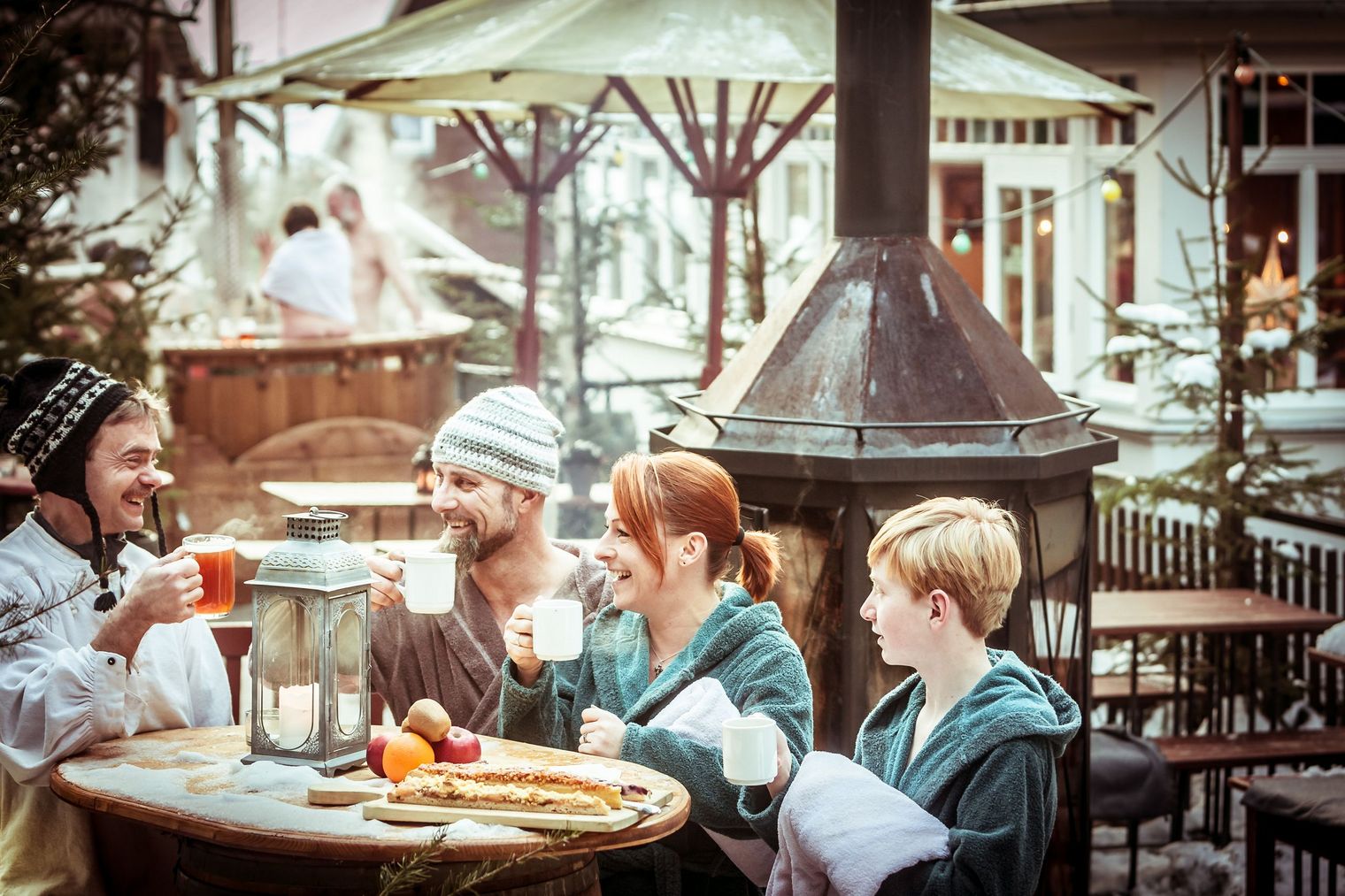
© Thomas Kruse

Christmas traditions in Saxony

Experience a festive atmosphere

Living Christmas traditions

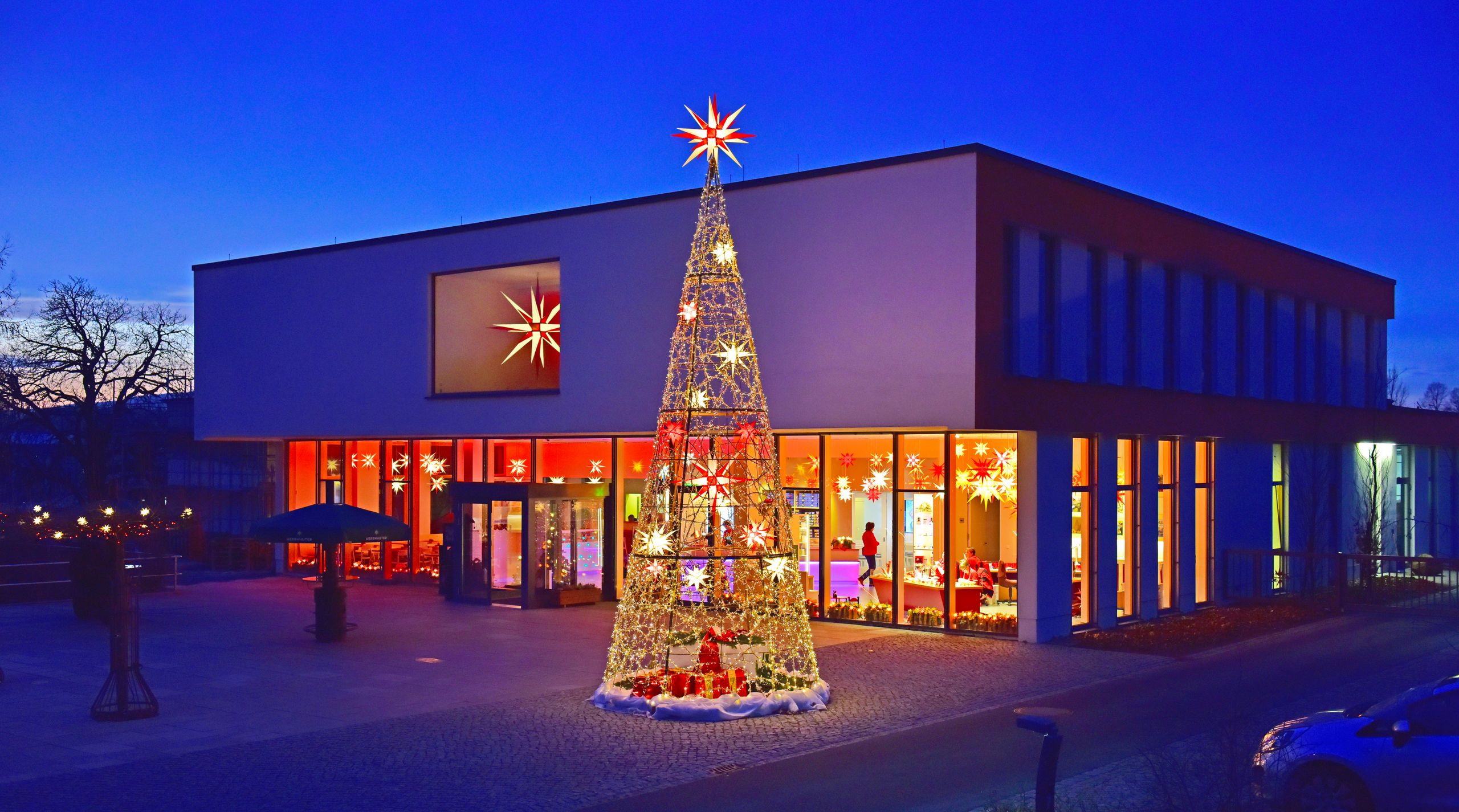
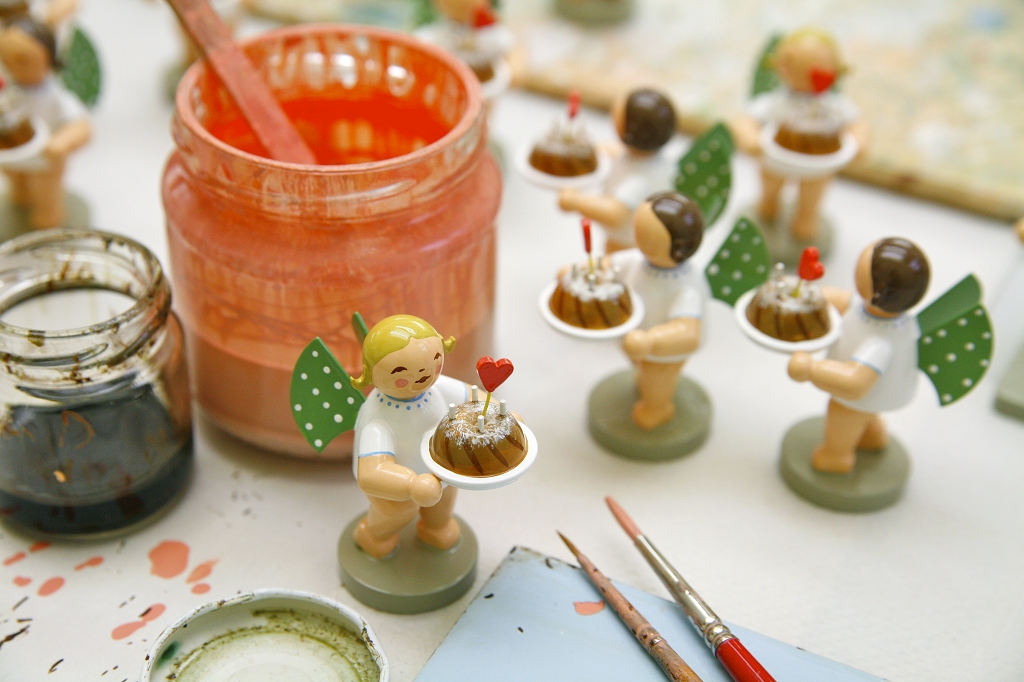
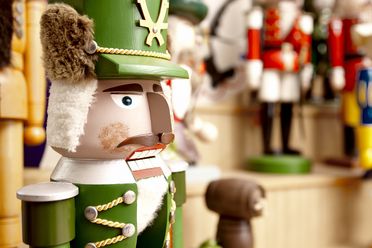
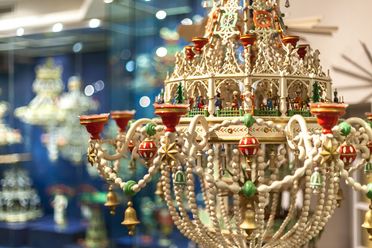
In Saxony, traditional handicrafts have been meticulously maintained for many centuries and eventually became both famous and highly regarded in many parts of the world. Up until today, these handicrafts are an important ambassador for the creativity and skillfulness of the Saxon artisans and Saxony in general. The most famous Saxon handicraft includes wooden Christmas decorations made by artisans in the Ore Mountains region. From wooden pyramids and Smoking Men to charming hand-painted angel and miner figurines there is a wide range of typical products. Another world-famous ambassador is the Moravian Star from Herrnhut in the Upper Lusatia region. Christmas decoration the Saxon way adds a special touch of festive spirit to everyone’s home.

Saxony also shows its festive side when it comes to cuisine – with original Dresden Christmas Stollen, spicy gingerbread and fragrant pastries that taste like childhood.

Explore this and more unique traditions here!
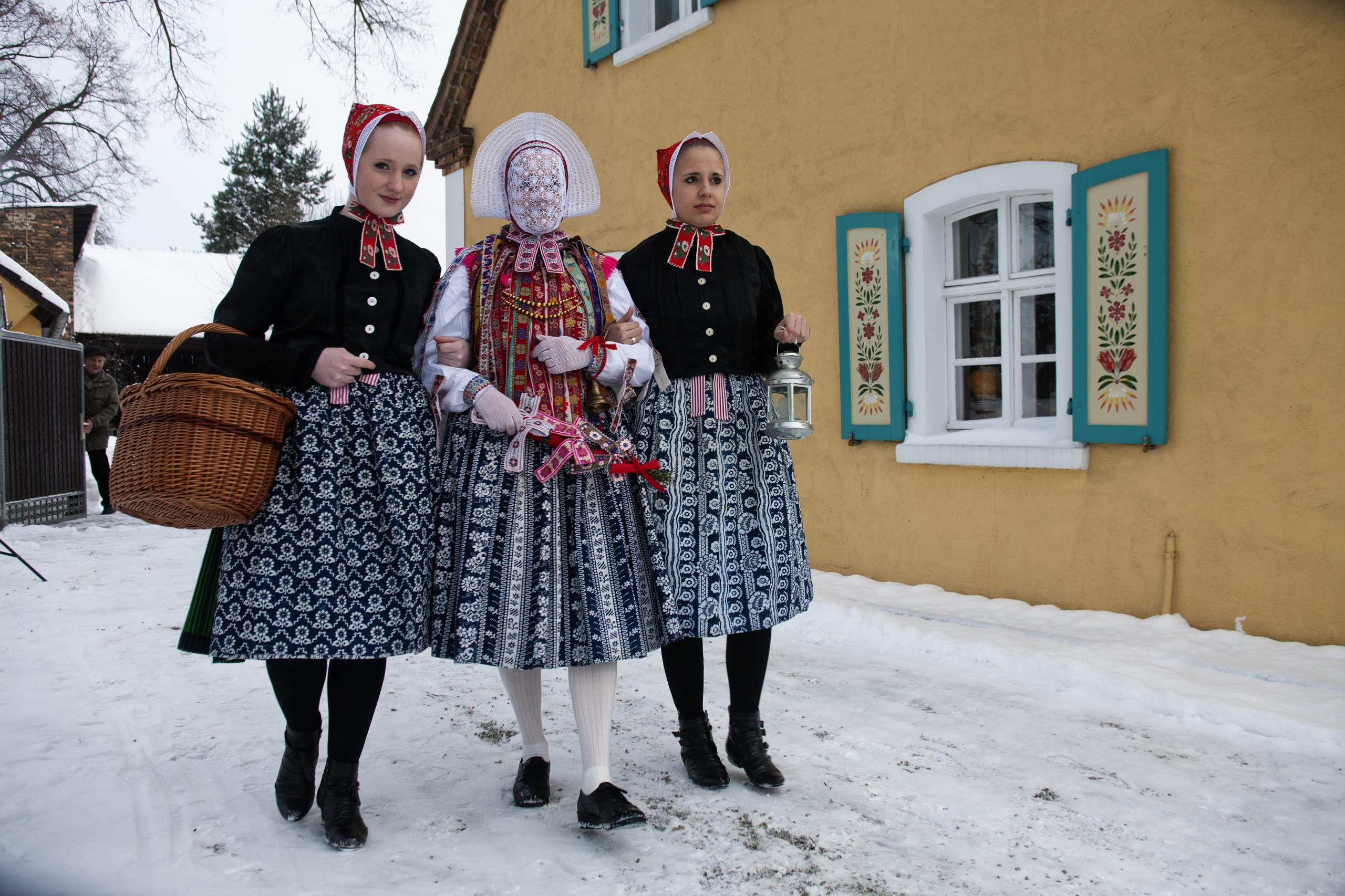
© Dittrich Weisflog

Sorbian Christmas traditions

The Bescherkind & blueprinting in Upper Lusatia

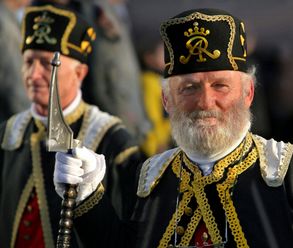
Discover the vibrant Sorbian Christmas traditions of Upper Lusatia during Advent season. In villages like Schleife and Crostwitz, you can experience the mysterious Bescherkind (or Sorbian Christkind) - a traditional, veiled gift-bringer in Sorbian Christmas folklore, who brings blessings and small treats. 

Alongside these festive customs, you can encounter Lusatian blueprinting. This traditional indigo dye craft is a UNESCO Intangible Cultural Heritage that still shapes Sorbian folk costumes and local craftsmanship today.

Christmas in Saxony

Artisans and manufactories

In Saxony, Christmas is far more than a seasonal celebration – it is a living heritage that unites generations. From the intricate woodcarvings of the Ore Mountains and the iconic Moravian stars from Herrnhut to the aromatic Crottendorf incense cones, you can discover the true magic of time-honoured craftsmanship.

© Herrnhuter Sterne Manufaktur
Qualitätswanderweg Oberlausitzer Bergweg, Herrnhuter Sternemanufaktur
TMGS / Dennis Stratmann | CC0

Discover a truly unique Christmas star

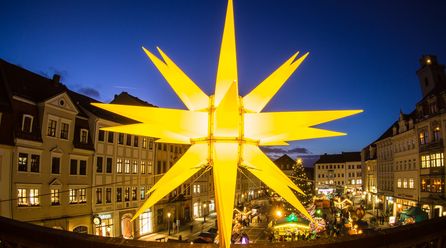
In Herrnhut, a small town in Saxony’s Upper Lusatia region, a local manufacturer has been crafting an intricately folded Christmas star for over 180 years. Known in English as the Moravian Star, the traditional Herrnhuter Stern features a striking three-dimensional shape with 25 distinct points. Still made by hand using paper and cardboard, this iconic decoration has captured hearts worldwide and now shines brightly across the globe every festive season.

  • Tip: Visit Herrnhut’s show workshop to see how it’s done. And you can even try making your own Moravian Star!

Incense cones from the Ore Mountains

Incense cones from the Ore Mountains

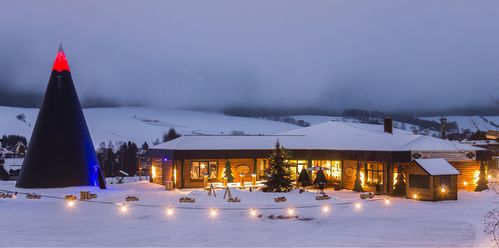
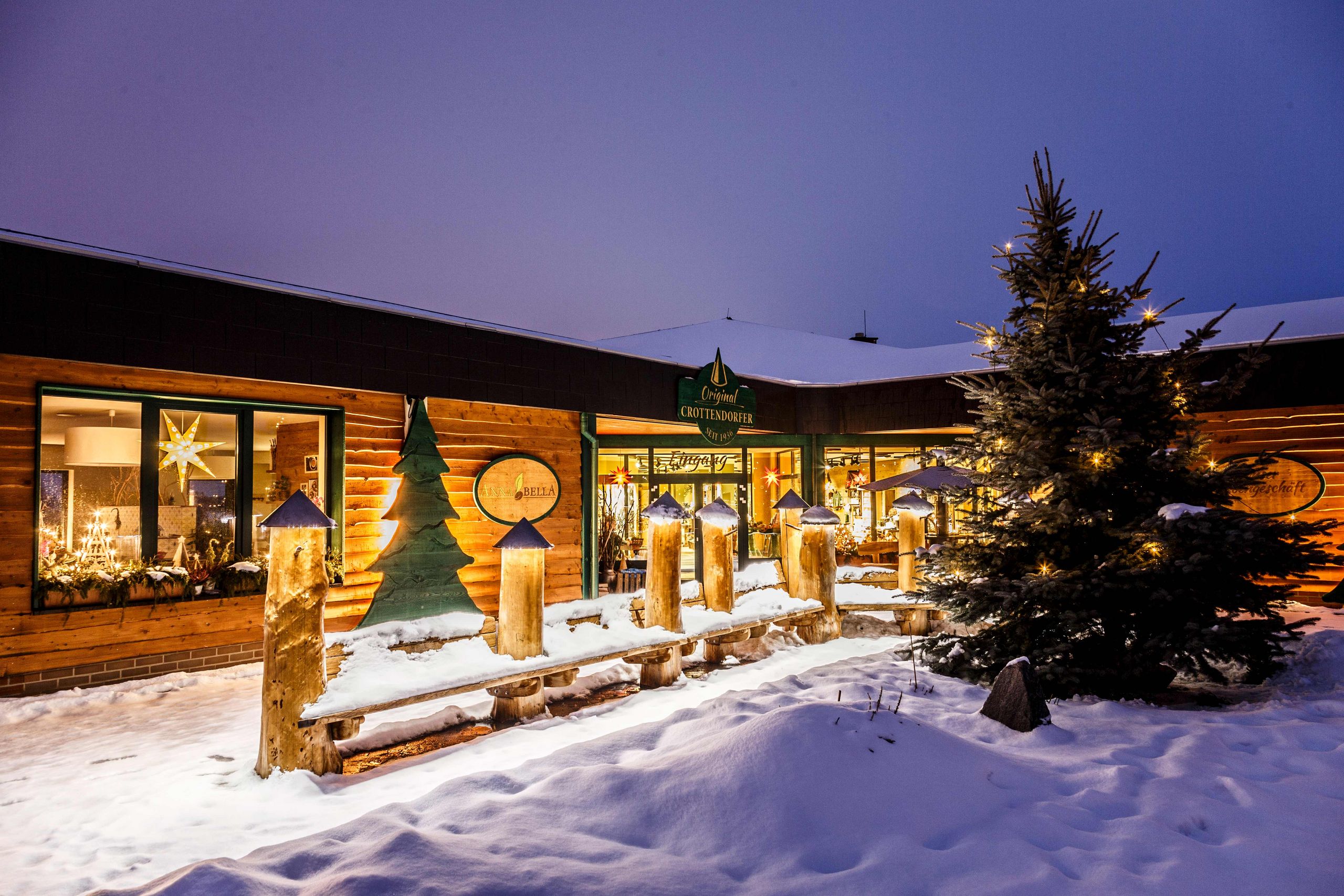
They might be small, but their effect is mighty: The colourful incense cones from Crottendorf in the Ore Mountains manage to fill up a whole room with the spirit of Christmas in no time. The tradition of making incense cones from frankincense tree resin, charcoal, potato flour, sandalwood and copper beech flour in Crottendorf goes back almost 100 years. The products are refined with Christmas scents such as fir, honey or cinnamon, all based on traditional craftmanship.

  • Tip: Marvel at the world’s largest incense cone displayed in Crottendorf!

Crottendorfer Räucherkerzenland
© Crottendorfer Räucherkerzen GmbH
Drei Mädchen mit schwarzen Händen betrachten die Räucherkerzen, die sie hergestellt haben.
© Bernd Maerz
© Tina Schramm
© Rainer Weisflog

Wooden art from the Ore Mountains

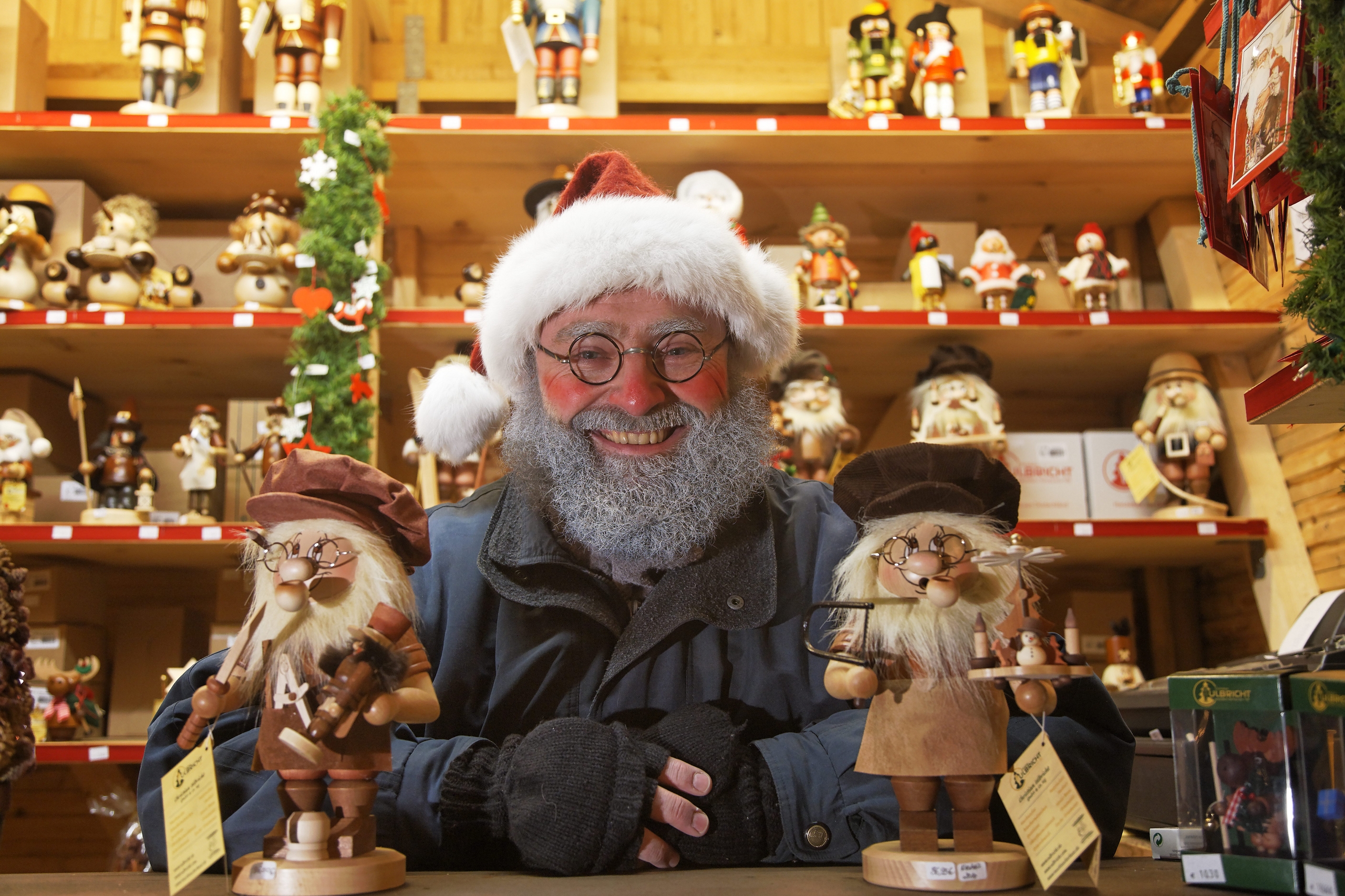
When the traditional mining industry in the Ore Mountains declined, many miners turned to the artistic processing of wood. Carving and woodturning have a long tradition here, resulting in the typical Ore Mountains folk art figures and objects such as angels, miners,  Schwibbögen (light arches) or Räuchermännchen (Smoking Men). The "Boys from the Wood" outfit continues this tradition with a modern spin, lovingly handcrafting rock and football stars or surfers and skiers as incense burners. Not to be missed is the so-called  “toy village” of Seiffen where old handicraft techniques are very much alive to create beautiful artistic wooden Christmas pyramids, nutcrackers and angel musicians in cozy manufactories.

  • Tip: See the record-breaking nutcracker in Europe's first Nutcracker Museum in Neuhausen and visit the unique Toy Museum in nearby Seiffen.

Christmas in Saxony

Culinary delights & festive flavours

The taste of a Saxon Christmas is steeped in heritage and home. From the world-famous authentic Dresden Stollen and spiced gingerbread (Pfefferkuchen) to aromatic mulled wine, traditional festive delicacies are crafted with care, using time-honoured recipes passed down through generations.

A favourite of Augustus the Strong

Christmas Stollen from Saxony

Augustus the Strong, Elector of Saxony, was famously fond of Christmas Stollen. In 1730, he commissioned 100 Dresden bakers to create a magnificent, giant stollen weighing an incredible 1.8 tonnes. This spectacular bake was the centerpiece of his legendary military festival, the "Zeithain Pleasure Camp" (Zeithainer Lustlager) and contained:

3,600

Eggs

326

Pots of milk

20

Quintal of white flour

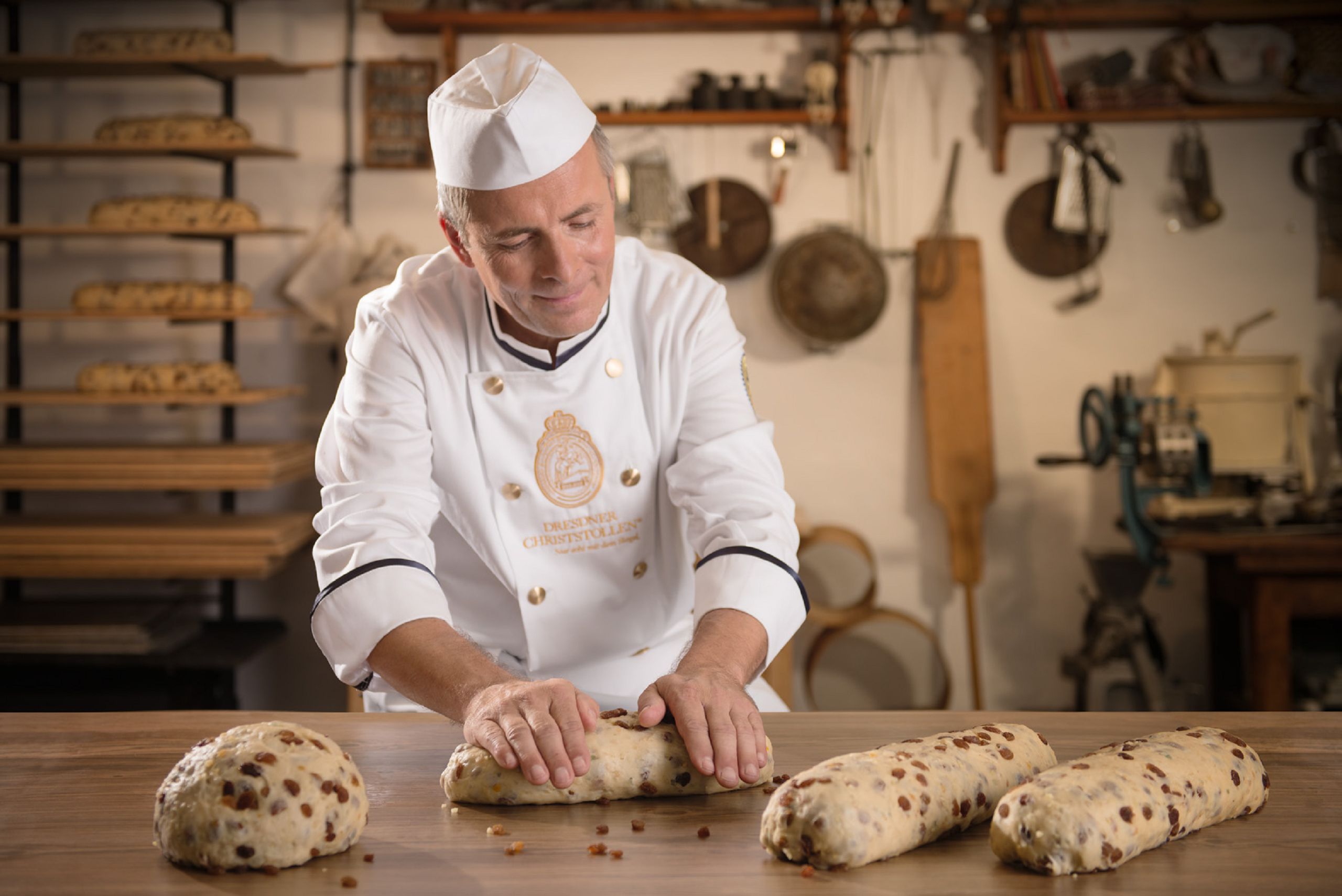
Traditionally baked by hand

How to recognise a real Dresden Stollen

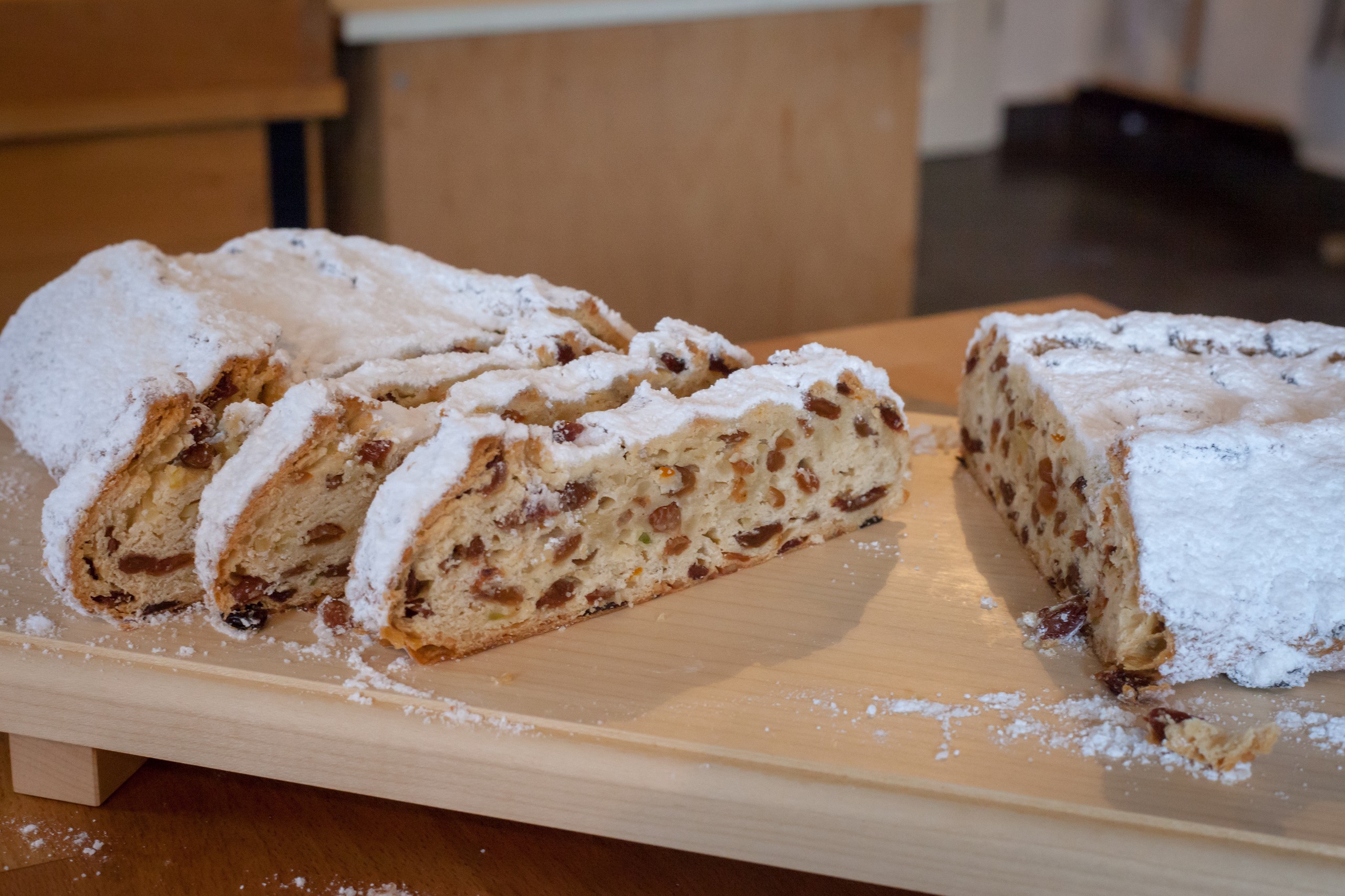
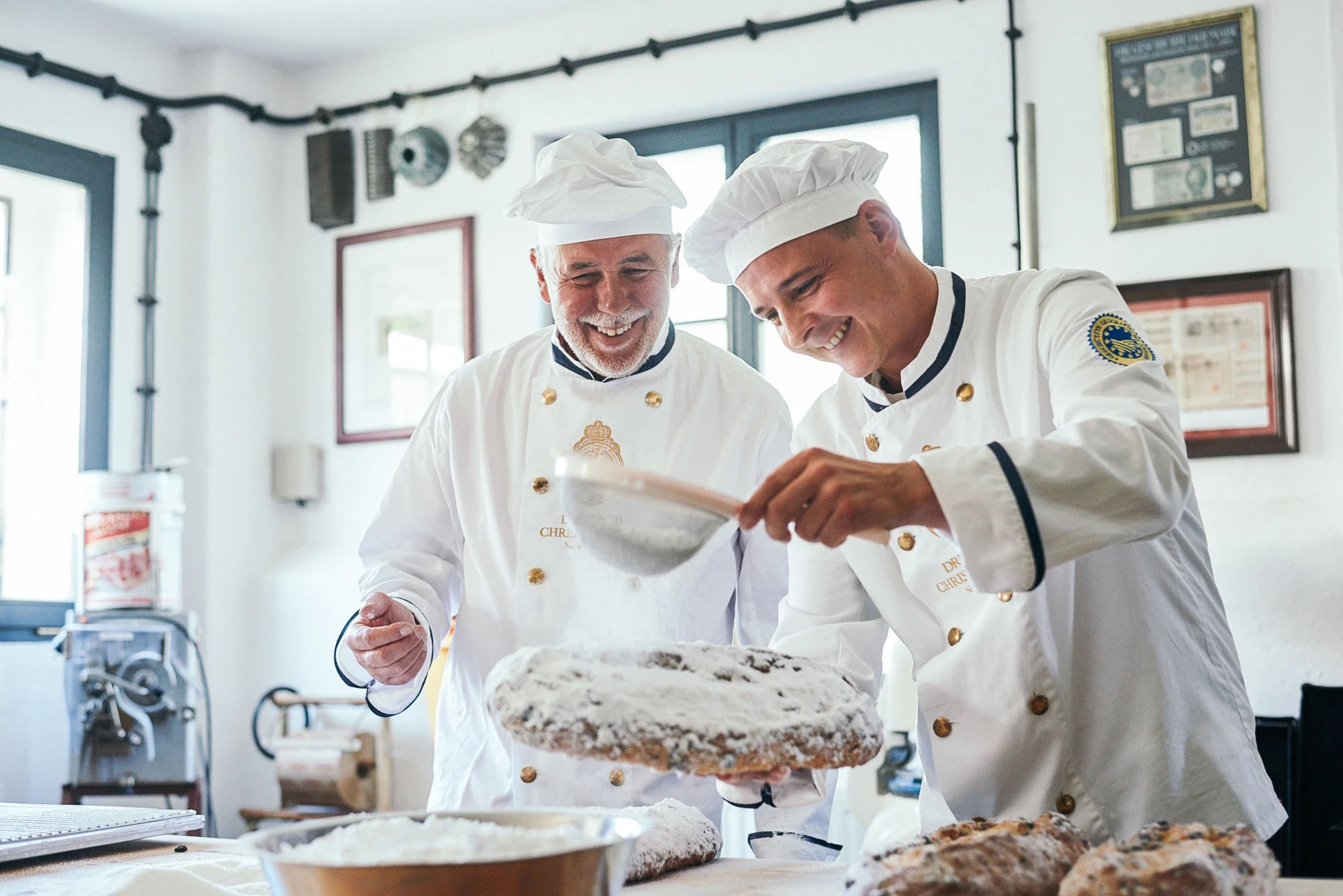
Germany’s Stollen Christmas cake has found fans all over the world. However, only the one from Dresden as the birthplace of this particular bake is “the real deal“. Dresdner Christstollen is unique and a registered trademark. It is made by hand and does not contain any margarine, artificial preservatives and flavourings. The following checklist indicates that a Stollen is an original, and to receive the so-called „Stollen seal“, the product must contain these ingredients specified by the Stollen Protection Association:

  • Rum-soaked raisins

  • Butter

  • Sweet and bitter almonds

  • Candied orange peel and candied lemon peel

Despite these very specific instructions, every Stollen produced by roundabout 110 bakeries in Dresden has its own distinctive taste because of individual spice mixtures whose recipes are closely guarded and passed down from one generation to the next.

  • Tip: Take a Dresden Stollen tour featuring a bakery and Stollen Museum visit, tasting included!

© Daniel James Clarke
© Dresdner Stollenschutzverband / K. Grottker

Dresden Stollen – Traditional crafts from Saxony

© René Pech

Neunerlei: Saxony’s traditional Christmas dish

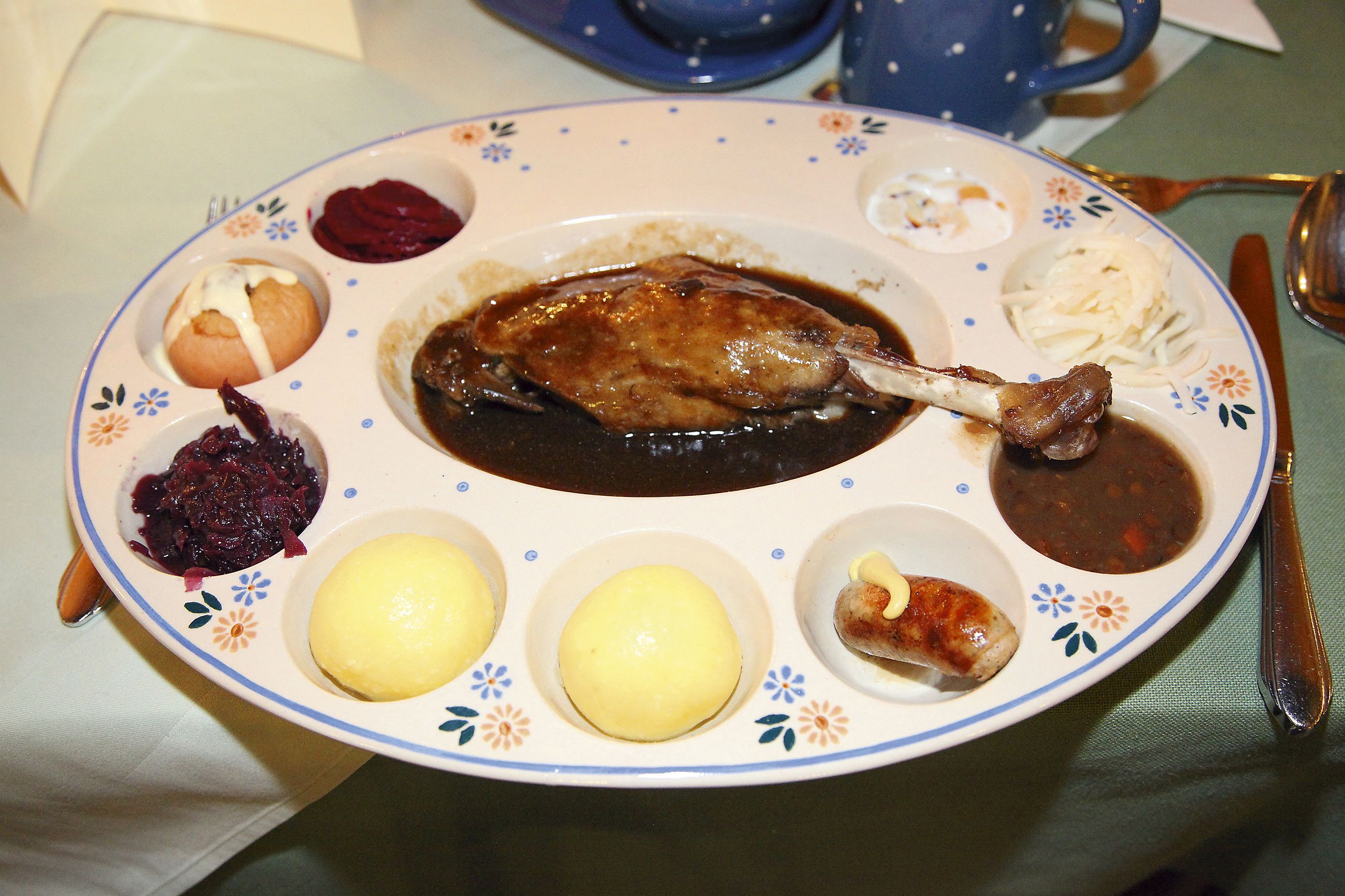
Neunerlei or, in the regional dialect Neinerlaa, is a wonderful example for food symbolism. This Christmas meal has a long tradition in Saxony’s Ore Mountains and is prepared on Christmas Eve. It consists of nine specific elements, which is reflected in the name Neunerlei (neun = nine in German), and each of the ingredients carries meaning with a view to the new year ahead.

  • Tip: Try Neunerlei in one of the many restaurants in the Ore Mountains that serve this special meal throughout the festive season.

The composition of the menu varies from village to village and from family to family, but the following are the fundamental elements included in the Neunerlei:

  • Goose, turkey or rabbit meat is said to bring luck and strength.

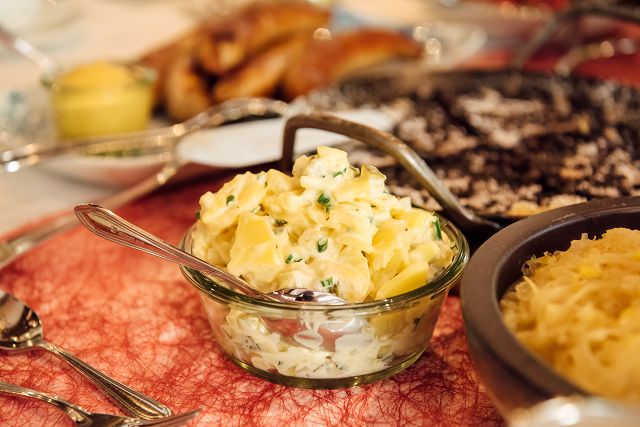
  • Herring salad is served to keep the small change coming in.

  • Green dumplings promise prosperity.

  • Lentils stand for physical growth.

  • Sauerkraut brings a good harvest.

  • Celery means potency and fertility.

  • Beetroot brings beauty.

  • Baked apples ensure health.

  • Bread and salt must not be missing because otherwise they will be missing throughout the entire new year.

© Czech Vibes
© Daniel James Clarke
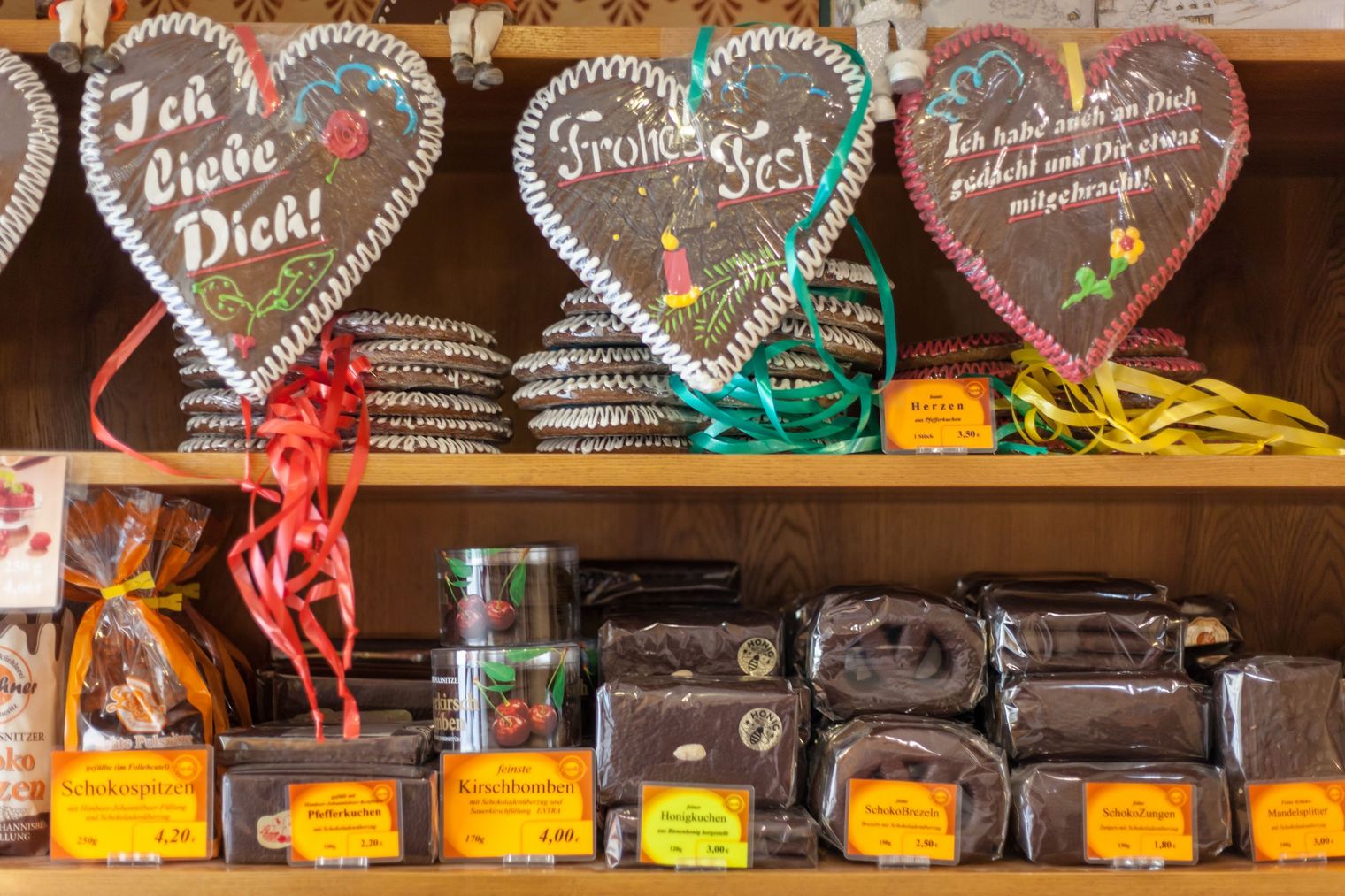
Whatever you do, try Pulsnitzer Spitzen: gingerbread filled with jam and covered in chocolate.

Gingerbread the Saxon way

Pulsnitz, a small town between Bautzen and Dresden, is also know as the “gingerbread town“ because a special local version of these Christmas favourites has been produced here since 1558. Known as Pulsnitzer Pfefferkuchen in German, they are made of a fat-free dough which is left to mature for months before being enriched with cinnamon, cardamom, fennel or nutmeg, plus a few more spices that remain a secret of the local bakers.

  • Tip: Try the Pulsnitzer Spitzen gingerbread variety, which is filled with jam and covered in chocolate!

The cradle of mulled wine

The oldest recorded German mulled wine recipe is thought to be from Radebeul in Saxony. In 1834, when a local count felt that he was in need for a drink that would make him forget the cold in his Baroque castle and warm his heart, he came up with the ingenious idea of adding saffron, aniseed, cinnamon and pomegranate to white wine and warm the whole mixture up. And the rest is history, as they say.

© Bio- und Nationalpark-Refugium Schmilka / Marko Doehring
Try organic mulled wine in Schmilka!