© Sebastian Rose

Saxony's must-see places

Top 10 attractions not to be missed

Experience culture, nature and local flavours

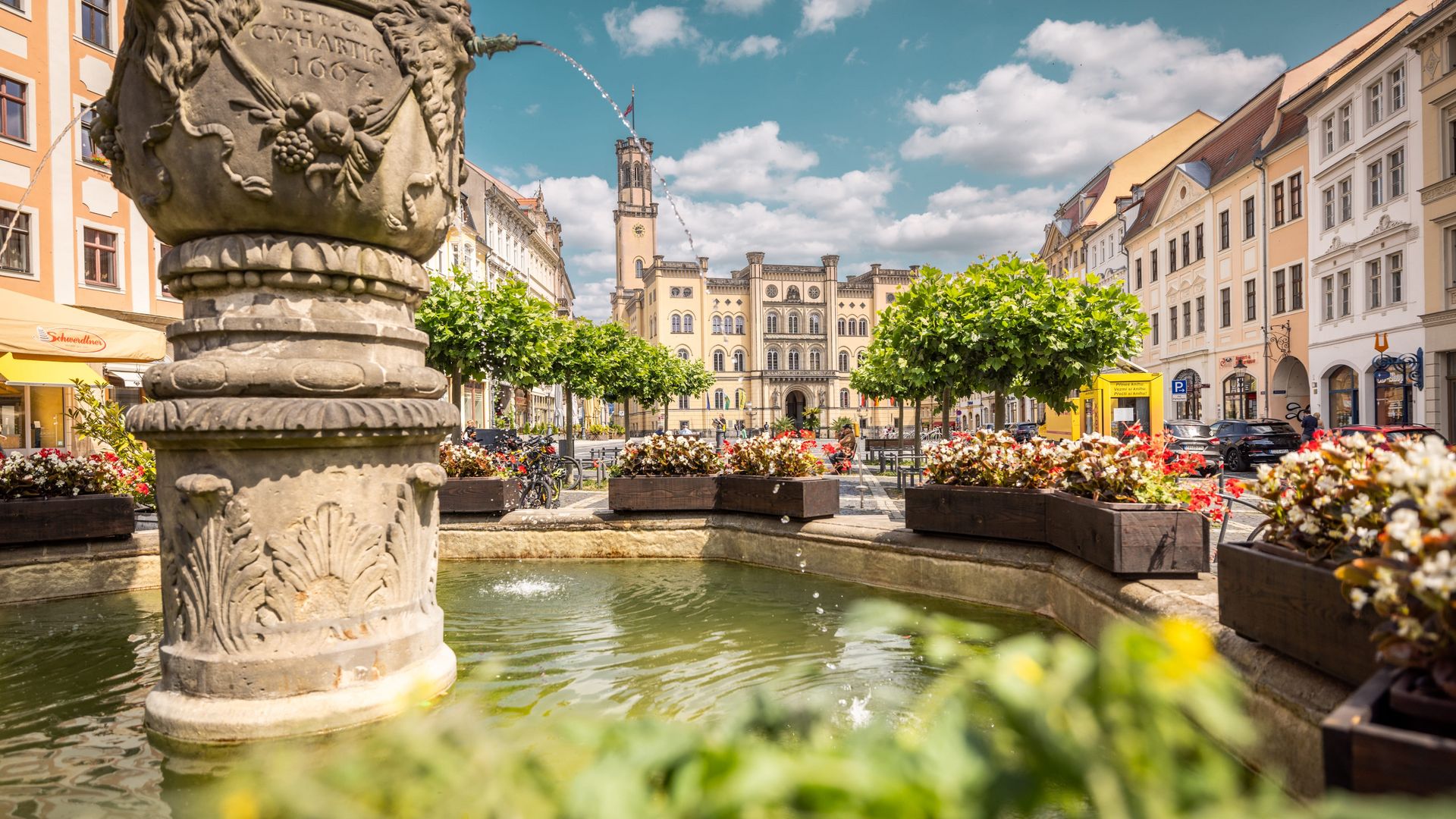
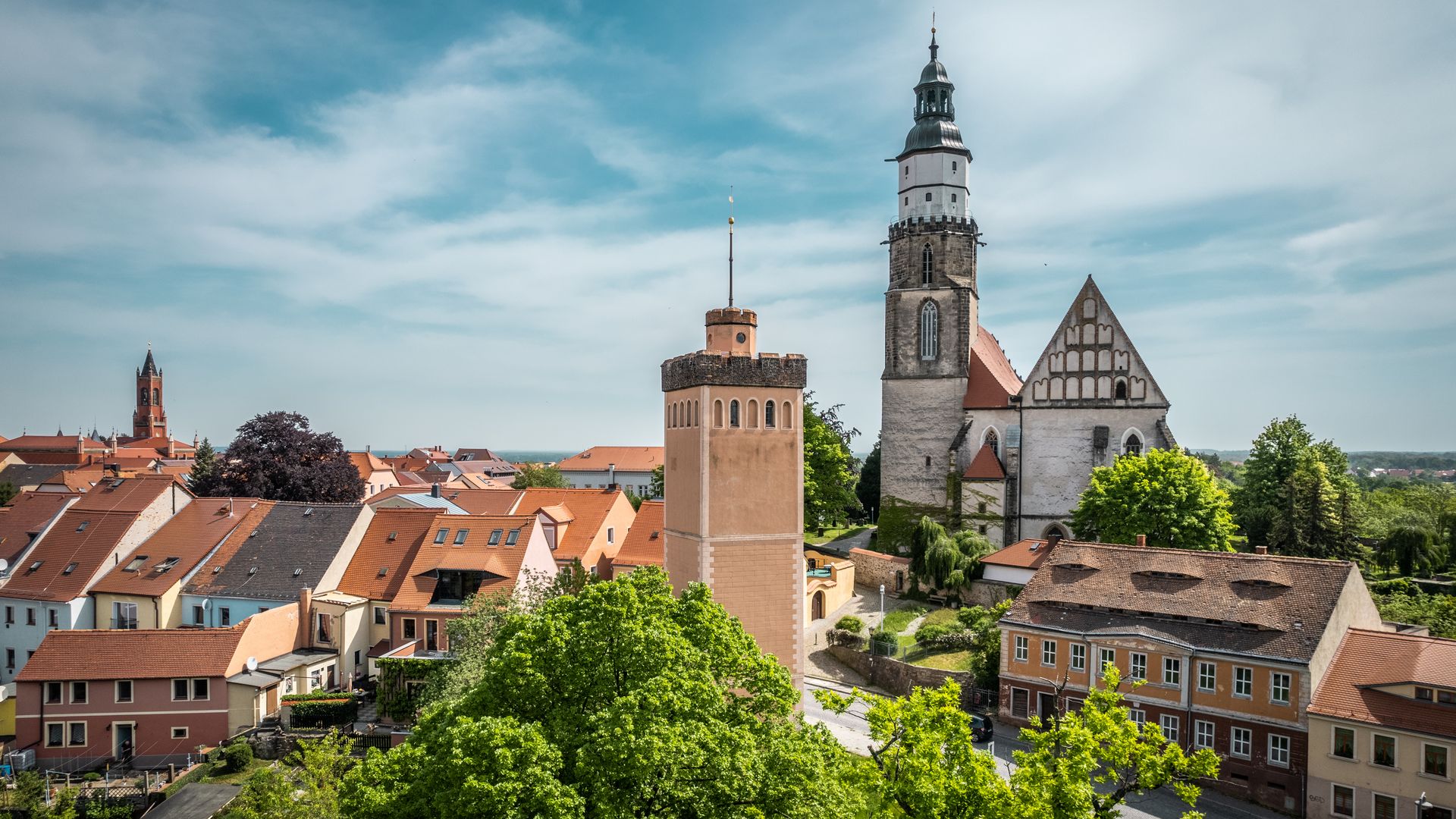
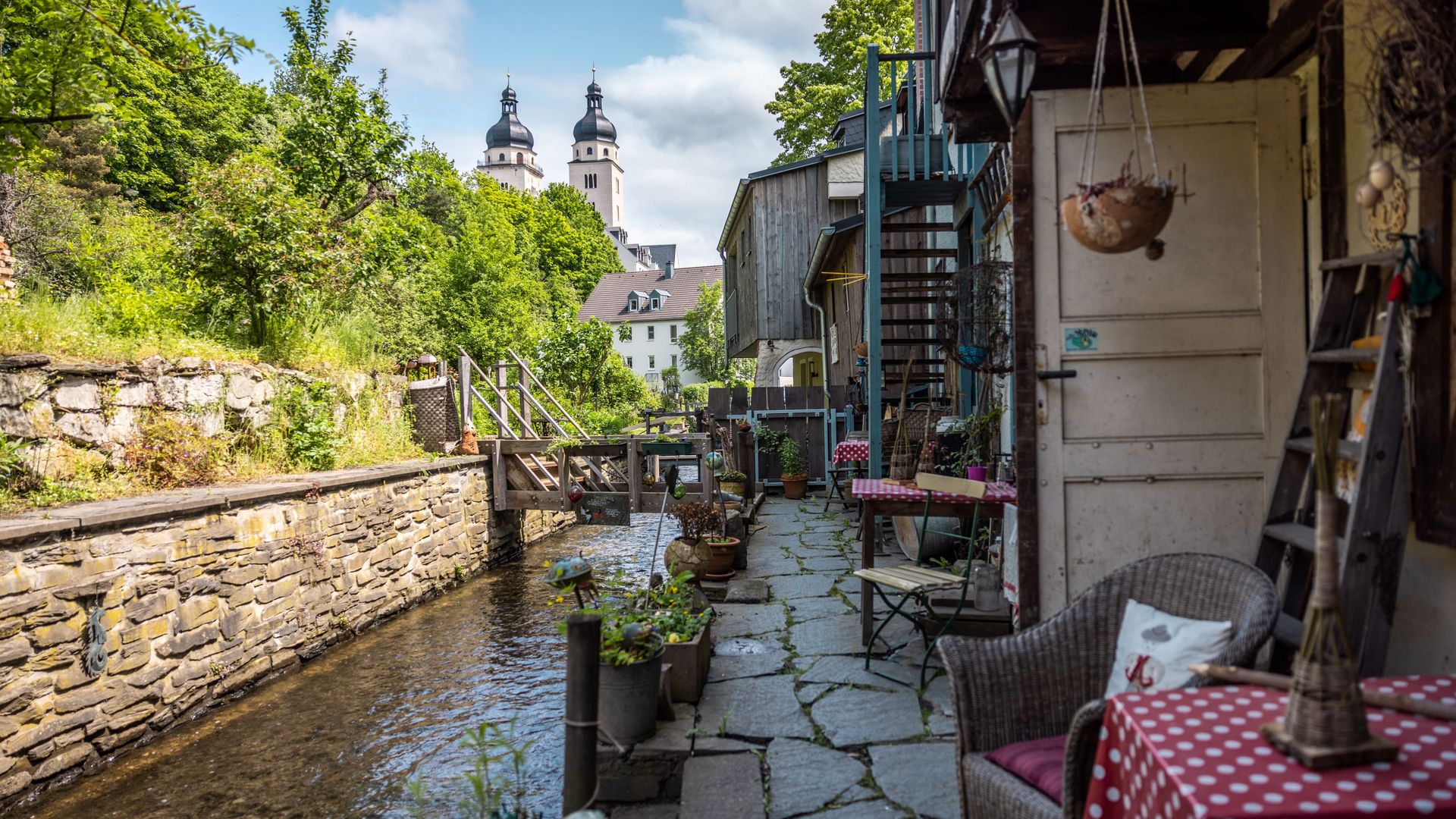
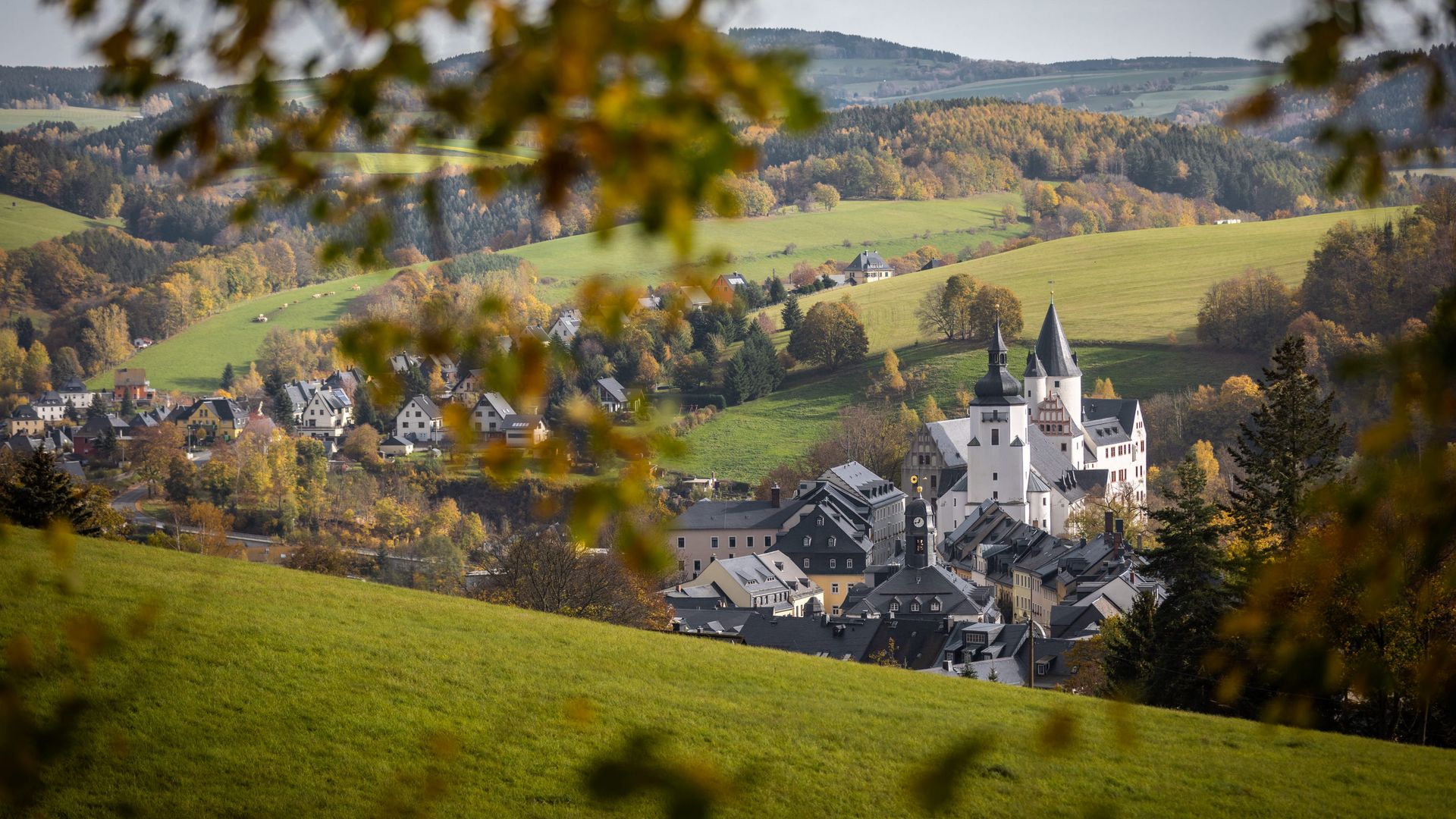
Saxony is a travel destination defined by its fascinating contrasts. Bustling cities like Leipzig and Dresden, charming historic gems such as Görlitz and Meissen, and breathtaking landscapes like Saxon Switzerland National Park all lie within easy reach of one another. 

The slogan “SAXONY. STATE OF THE ARTS” captures the region’s wonderful mix of world-class cultural attractions and pristine nature. Whether you wish to explore the rich industrial heritage of Chemnitz, admire time-honoured craftsmanship in the Ore Mountains, unwind by the water in Leipzig New Lakeland, or cycle on the scenic Elbe Cycle Route, our diverse region rewards travellers with truly memorable experiences.

Wherever your journey takes you, you will be greeted with genuine warmth. Saxony has repeatedly been named Germany’s most hospitable federal state in booking.com's Traveller Review Awards, most recently in 2026.

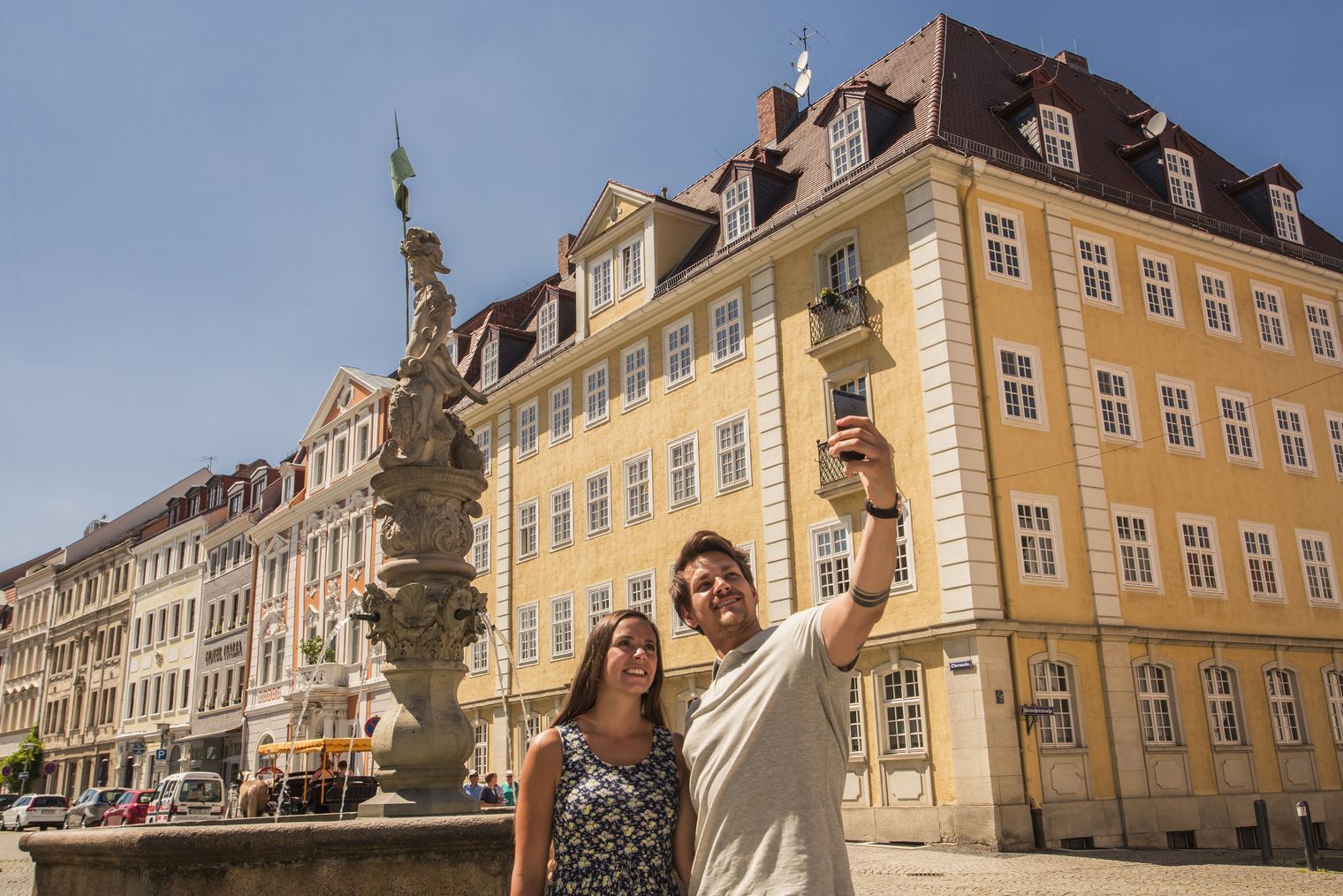
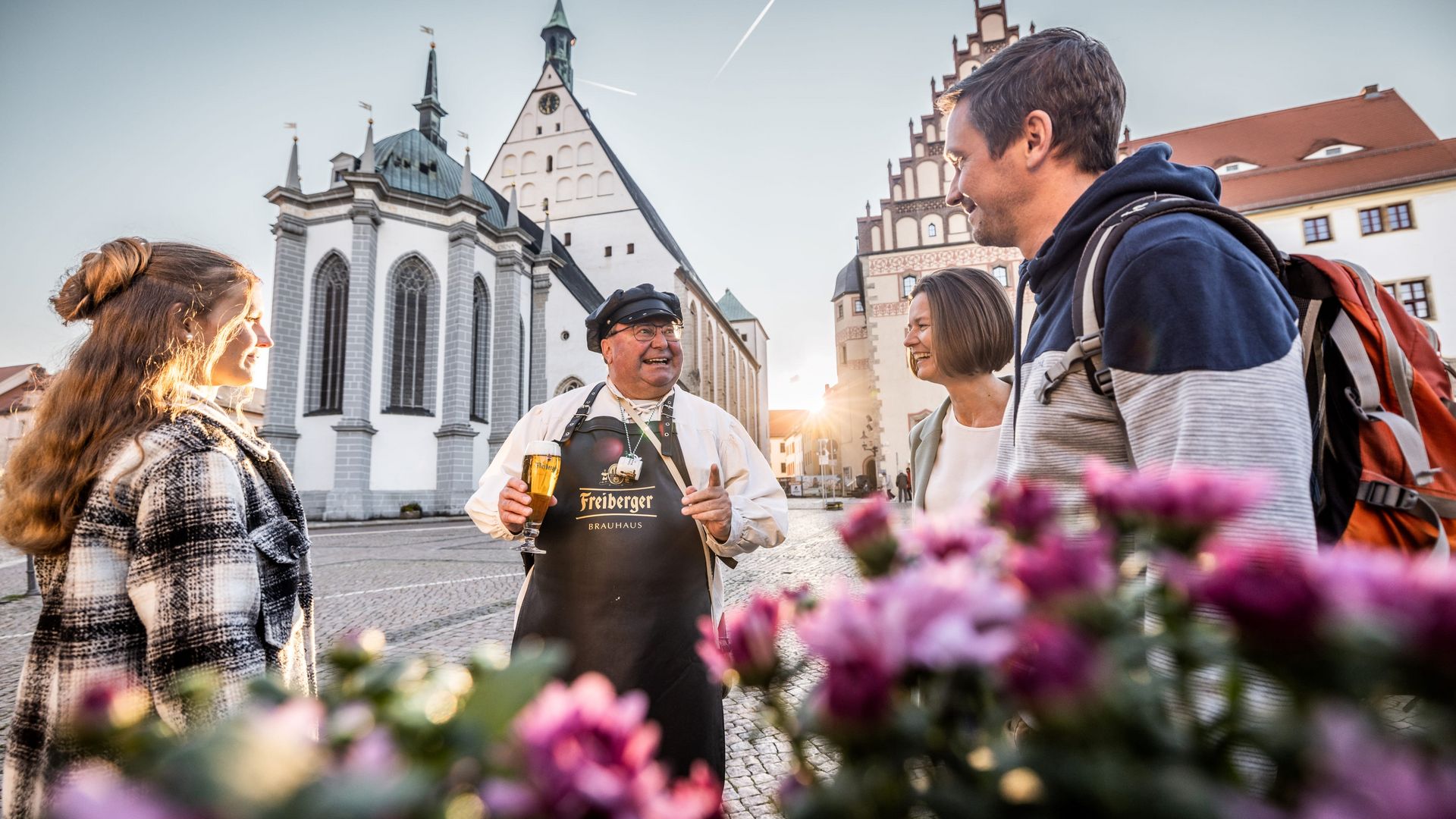
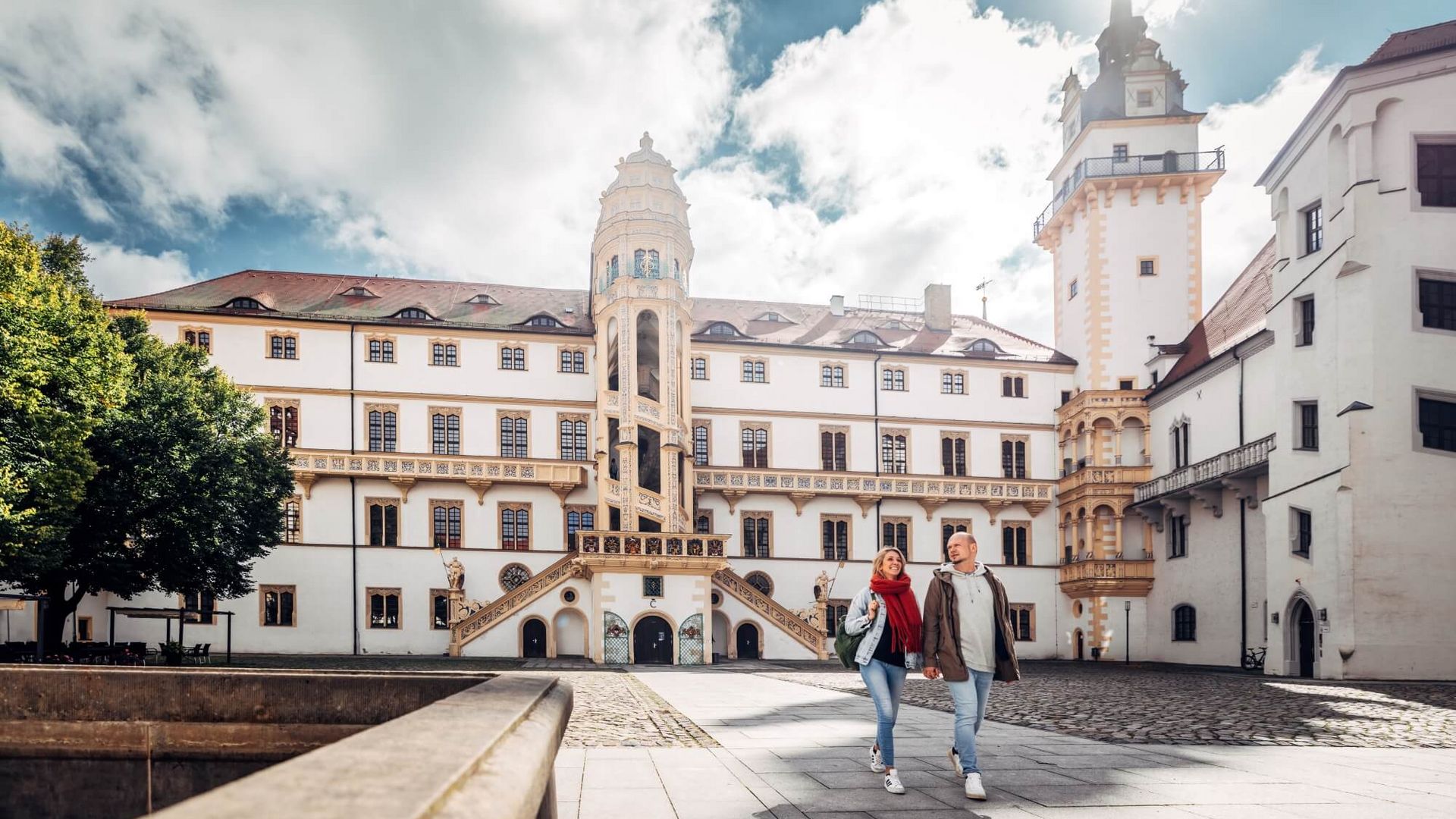
Stadtbummel durch Görlitz // Stroll through the city of Görlitz
© Katja Fouad Vollmer

To help you plan your trip, we’ve brought together the very best the Free State has to offer. Discover our top 10 attractions complete with a map and comparison. You’ll also find Saxon cities and picturesque towns, hidden gems and favourite spots for families, food lovers and culture enthusiasts. Plus, there’s a handy weekend itinerary and answers to the most important questions about your trip to Saxony.

#1 Bastei Bridge and Saxon Switzerland

Europe’s most spectacular rock arch in a stunning national park

© Katja Fouad Vollmer

The Bastei Bridge is the undisputed landmark of Saxon Switzerland and ranks among Europe’s most striking natural wonders. This spectacular sandstone structure spans a 194-metre-deep gorge, rewarding visitors with breathtaking views across the rugged rocky landscape of the Elbe Sandstone Mountains.

The region is a paradise for outdoor enthusiasts, featuring numerous well-signposted walking and cycling trails that criss-cross the dramatic landscape. Whether you opt for a leisurely panoramic stroll or seek a challenging route along the cliff edges, you will find your perfect adventure here. The famous Painters' Way (Malerweg) and the pristine Saxon Switzerland National Park offer unforgettable moments in nature, perfectly combining physical activity with complete mental relaxation.

  • Tip: Try the new Saxon-Bohemian Switzerland Friendship Trail covering around 40 kilometres in both national parks. This cross-border circuit combines a wide variety of landscapes, perfect for nature lovers who like to enjoy off-the-beaten-track moments.

Plan your visit

  • Where: Saxon Switzerland

  • Best time to visit: April to October, spring and autumn are ideal for hiking

  • What to expect: spectacular rocky landscapes, the Bastei Bridge, walking trails, and climbing crags

  • Time to allow: half day to full-day hikes

  • Other highlights nearby: Rathen Open-Air Theatre, Stolpen Castle, Kirnitzschtal Railway

#2 Church of Our Lady (Frauenkirche) in Dresden

World-famous Baroque building and symbol of reconciliation

© Julia Nimke

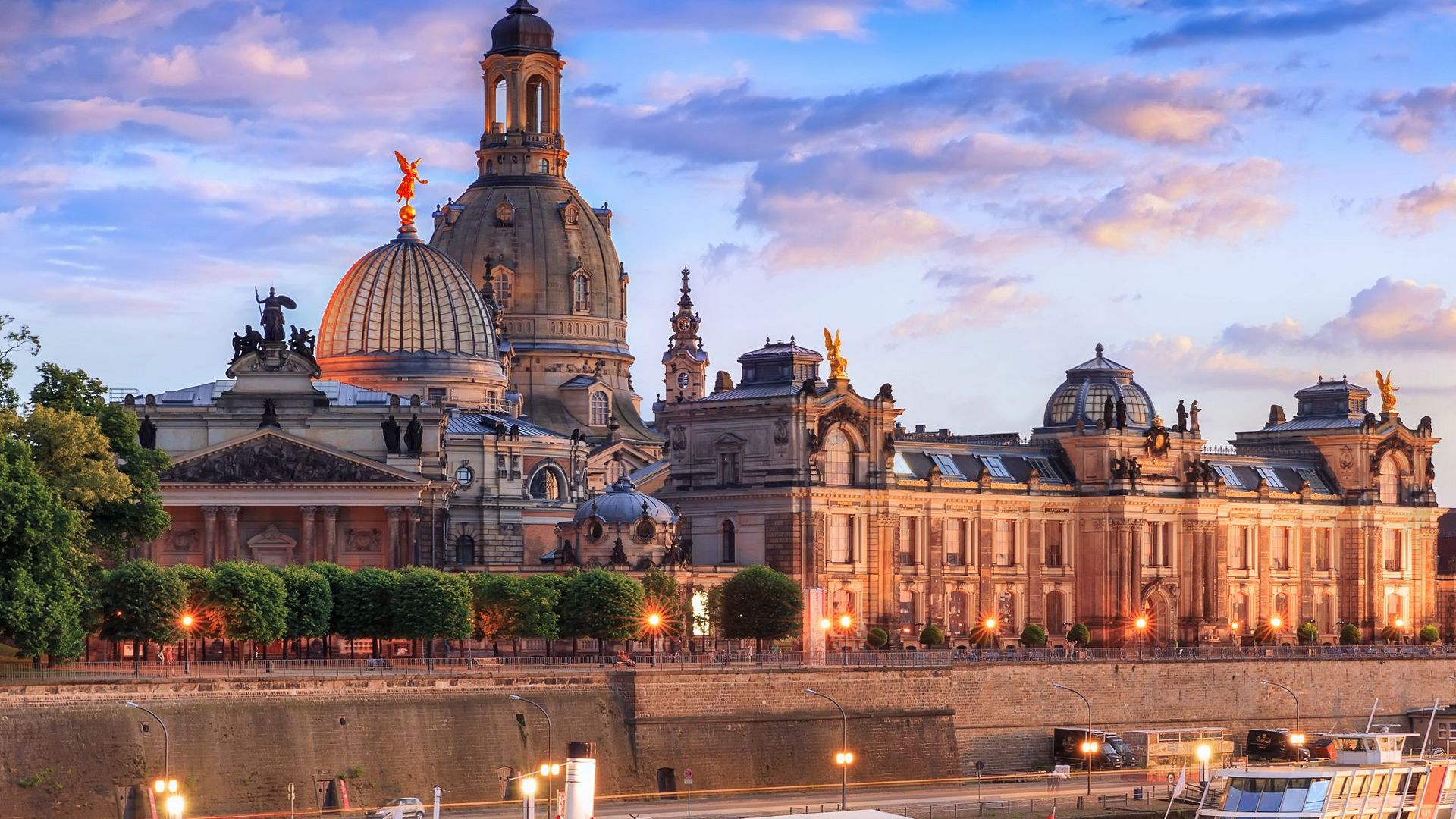
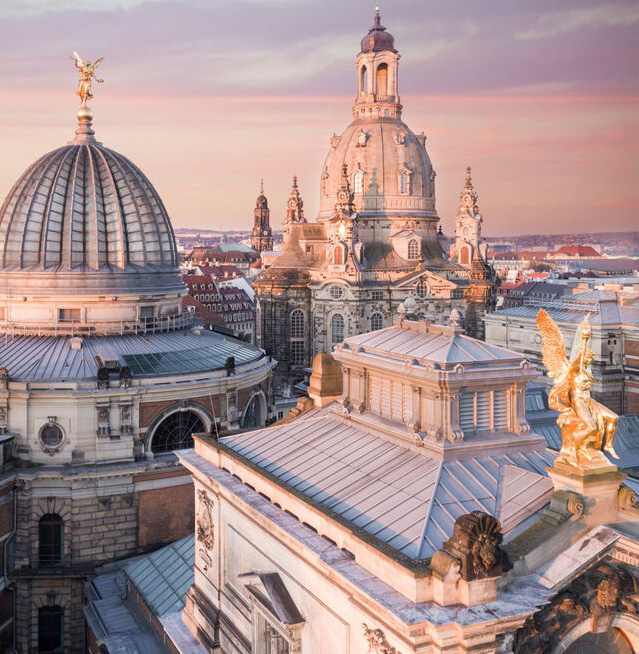
Dresden's Church of Our Lady (Frauenkirche) is far more than just a historical place of worship. It is a global symbol of reconciliation and meticulous architectural restoration. Having been completely destroyed in World War II, the church was faithfully rebuilt, using original materials where possible, and consecrated in 2005. Today, its striking Baroque dome defines the skyline of the city's historic old town.

A climb to the viewing platform is highly recommended, rewarding you with an unforgettable panoramic view across the entire Elbe Valley, a truly spine-tingling moment for culture enthusiasts. Inside, the light-filled nave impresses with its exquisite artistic detail. It is a place where Europe’s turbulent history and extraordinary human achievement come to life, while simultaneously offering a profound sense of inner peace.

Plan your visit

  • Where: Dresden Elbland

  • Best time to visit: all year round, but particularly impressive in the festive season with an enchanting Christmas market outside the church

  • What to expect: Baroque architecture, a climb up the dome (127 to 136 steps), concerts, and a moving history

  • Time to allow: 1 to 2 hours (including the climb to the dome)

  • Other highlights nearby: Procession of the Princes, Brühl’s Terrace, Dresden's Royal Palace

#3 Dresden Zwinger

World-class museums in a Baroque masterpiece 

© Claudia Hübschmann

Dresden Zwinger is an architectural masterpiece of European Baroque, ranking among Germany’s most magnificent historic landmarks. Originally designed as an orangery and a grand venue for the court festivities of Augustus the Strong, the complex now houses world-class museums. Discover  iconic treasures such as Raphael’s famous Sistine Madonna in the Old Masters Picture Gallery, alongside exquisite pieces from the fascinating Porcelain Collection.

The spacious inner courtyard with its ornate pavilions, sculptures, and the Nymphs’ Bath invites visitors to take a leisurely stroll. In the summer months, the Zwinger is occasionally transformed into an atmospheric open-air setting for classical concerts. It is a place where you can experience first-hand the perfect symbiosis of Saxon history, world-class art, and vibrant urban culture.

  • 2026 travel tip: From 19 September 2026 to 10 January 2027, the Old Masters Picture Gallery will present a special exhibition on Antonio Allegri, known as Correggio – the first exhibition outside Italy to bring together his complete body of work.

Plan your visit

  • Where: Dresden Elbland

  • Best time to visit: All year round, summer is ideal for open-air events

  • What to expect: Baroque architecture with Nymphs' Bath fountain and “Kronentor” ornate gateway, world-class museums

  • Time to allow: at least 2 to 3 hours (including museum visit)

  • Other highlights nearby: the historic Green Vault in the Royal Palace, Dresden's Semper Opera, German Hygiene Museum

#4 Monument to the Battle of the Nations in Leipzig

Europe’s largest monument

© Leipzig Travel

The 91-metre-high Monument to the Battle of the Nations stands as a striking reminder of the decisive battle fought against Napoleon in 1813. For those who enjoy a bit of exercise, 364 steps lead up to the viewing platform of Europe's largest monument, rewarding visitors with a spectacular panoramic view over Leipzig.

The monumental structure impresses with its colossal figurative sculptures and a crypt that is both acoustically and visually striking, creating a truly unique atmosphere. In the integrated FORUM 1813 museum, you can delve deep into the European scale of what is known in Germany as the “Wars of Liberation”. The exhibition conveys the historical background of the Battle of the Nations in a contemporary, critical, and vivid manner that goes far beyond mere military history.

Plan your visit

  • Where: Leipzig

  • Best time to visit: All year round, commemorative ceremony on 18 October

  • What to expect: a monumental memorial, viewing platform, museum, historical context

  • Time to allow: 1 to 2 hours

  • Other highlights nearby: Panometer Leipzig, Leipzig South Cemetery (Südfriedhof), German National Library

 #5 Königstein Fortress

Imposing mountain fortress high above the Elbe River

© Marcel Patrick Quietzsch

The monumental Königstein Fortress towers 247 metres above the Elbe River, making it one of Europe's largest hilltop fortresses. Across its 9.5-hectare rocky plateau, over 750 years of fascinating military and civilian history await. Visitors can explore the historic Garrison Church, peer down into Saxony’s deepest well, plunging 152.5 metres, and follow a panoramic trail around the complex for spectacular views.

The site is designed for active exploration, with interactive exhibitions and expert-led tours providing deep insights into the fortress’s historical significance. For those wishing to combine an interest in military history with a scenic walk and breathtaking views of the Elbe Sandstone Mountains, this is the perfect destination.

Plan your visit

  • Where: Saxon Switzerland

  • Best time to visit: all year round, particularly atmospheric in winter (historic Christmas market)

  • What to expect: fortifications, fountains, museums, a panoramic walk, events

  • Time to allow: at least 2 to 3 hours

  • Other highlights nearby: walk to the Pfaffenstein table mountain, Spa “Toskana Therme” in Bad Schandau, and the “Little Saxon Switzerland” miniature park

#6 Görlitz’s historic old town

Discover 4,000 historic monuments and an international film location

© Philipp Herfort

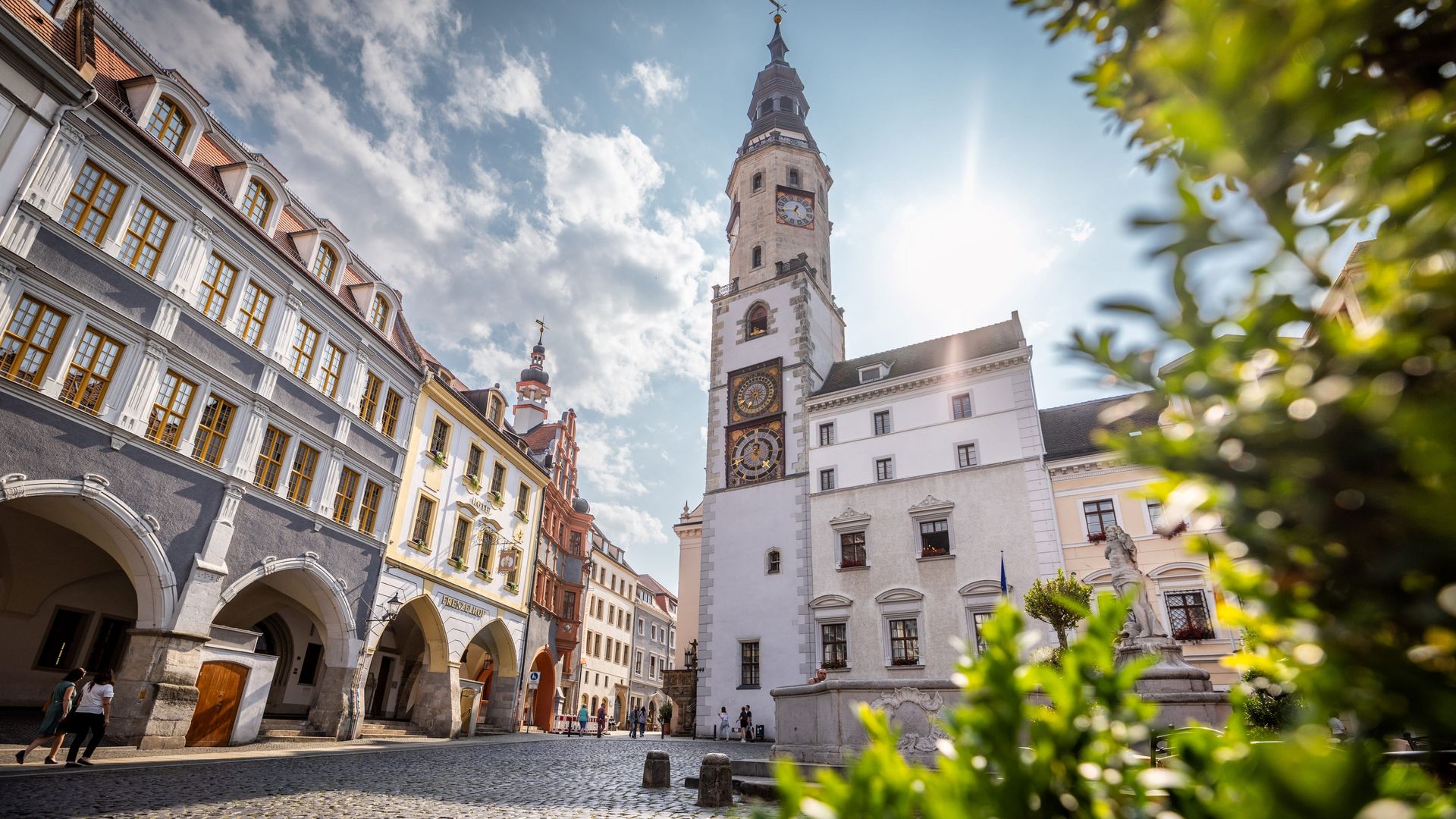
The European City of Görlitz/Zgorzelec captivates visitors with Germany’s best-preserved historic townscape, regularly serving as an authentic backdrop for international film production, earning it the nickname “Görliwood”. Over 4,000 beautifully restored historic buildings from the Gothic, Renaissance, Baroque, and Art Nouveau periods shape this fascinating town.

Take a leisurely stroll through the winding alleyways, marvel at the architecture of the magnificent hall houses, and feel history come alive at every turn. The striking Old Town Bridge connects Görlitz directly with its Polish twin town, Zgorzelec, truly bringing the European spirit to life. Authentic craftsmanship, boutique museums, including the Silesian Museum housed in the 500-year-old Schönhof building, and cosy, independent cafés perfectly round off this culturally enriching city experience.

Plan your visit

  • Where: Upper Lusatia

  • Best time to visit: All year round, spring and the festive season in the run-up to Christmas are particularly atmospheric

  • What to expect: 4,000 historic buildings, film set, hall houses, European border town

  • Time to allow: anything from a half-day visit strolling around town to a long weekend

  • Other highlights nearby: Holy Sepulchre in Görlitz, Görlitz Synagogue Cultural Centre, Görlitz Nature and Wildlife Park

#7 Moritzburg Castle

Magnificent Baroque palace set in an idyllic pond landscape

© Sebastian Rose

Moritzburg Castle is a true Baroque gem, set symmetrically on an island amidst a picturesque landscape of woodlands and ponds. From 1723 onwards, Augustus the Strong had the former hunting lodge transformed into a magnificent pleasure palace. Inside, visitors can admire authentic examples of exquisitely handcrafted furnishings, including the fascinating “Feather Room” and Europe’s most significant collection of hunting trophies.

Moritzburg takes on a special magic during the colder months: as the original filming location for the classic fairy-tale film “Three Wishes for Cinderella”, the winter exhibition attracts both culture and film enthusiasts. In summer, the grounds are perfect for long cycle rides, strolling through the palace park, or attending traditional stallion parades.

Plan your visit

  • Where: Dresden Elbland

  • Best time to visit: all year round, winter for its fairy-tale atmosphere, summer for events and cycle tours

  • What to expect: Baroque palace, Feather Room, hunting trophies, events, pond landscape

  • Time to allow: 2 to 3 hours

  • Other highlights nearby: Schloss Wackerbarth (wine-growing estate), Karl May Museum, steam train “Lößnitzgrundbahn” in Radebeul

#8 Albrechtsburg Castle and Meissen Cathedral

Germany’s oldest castle on the banks of the Elbe River

© Sylvio Dittrich

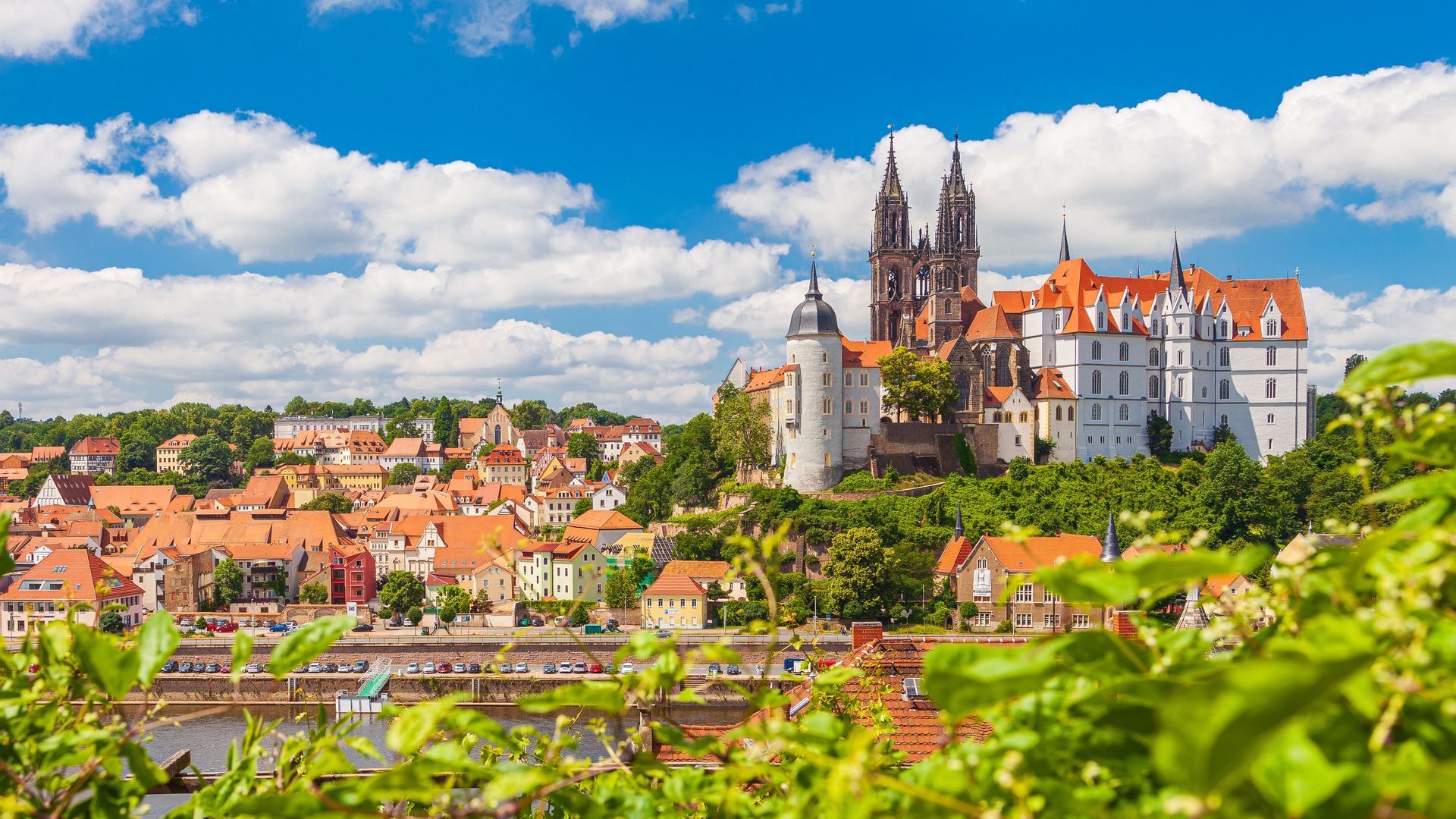
High above the idyllic Elbe Valley, Meissen Cathedral and Albrechtsburg Castle rise as a magnificent ensemble of Gothic and Late Gothic architecture. The cathedral captivates art lovers with its delicate statues of benefactors and its exquisite, intricately detailed interior. Right next door stands Albrechtsburg Castle, celebrated as Germany’s oldest castle and the true birthplace of Meissen porcelain where Europe’s first hard-paste porcelain was produced from 1710 onwards.

On Burgberg hill, you can immerse yourself in the rich tapestry of Saxon cultural history, with both landmarks offering excellent themed guided tours that bring the past vividly to life. Afterwards, take a stroll along the castle walls to enjoy sweeping views over the rolling vineyards lining the Elbe.

  • 2026 travel tip: Meissen's wine festival (18 to 20 Sep 2026) is an atmospheric occasion where historic streets come alive with live music and lots of options to sample local wines.

Plan your visit

  • Where: Dresden Elbland

  • Best time to visit: all year round, the grape harvest season in autumn is particularly charming

  • What to expect: Gothic architecture, history of porcelain, panoramic views of the city, wine culture

  • Time to allow: 2 to 3 hours

  • Other highlights nearby: House of Meissen at the Meissen State Porcelain Manufactory, Proschwitz Castle, river cruises on traditional steam boats

  • Accessibility information for Meissen Cathedral and Albrechtsburg Castle
     

#9 Erzgebirge/Krušnohoří Mining Region

UNESCO World Heritage: 850 years of mining history

© Holger Stein Fotografie

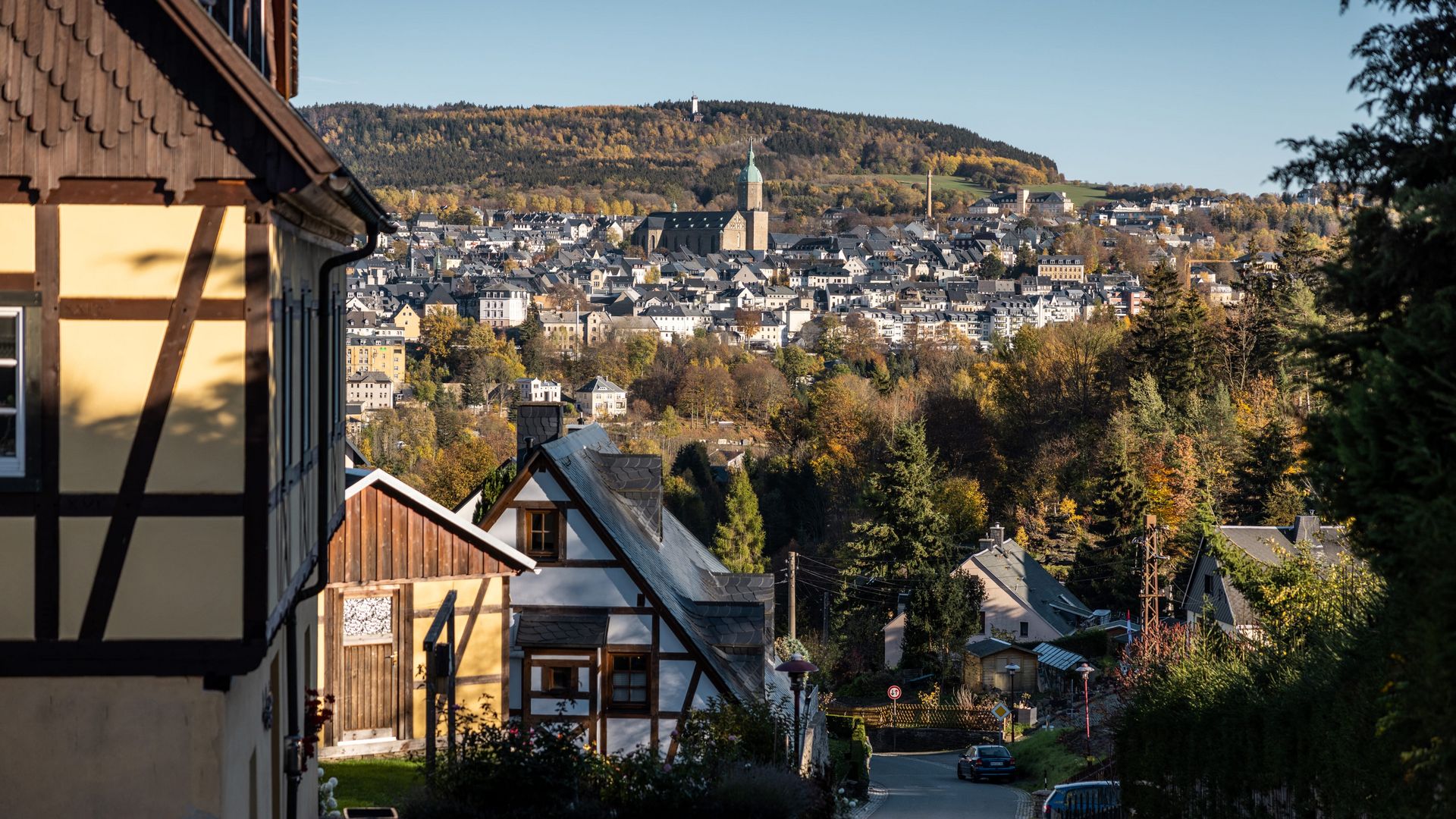
The Erzgebirge/Krušnohoří Mining Region, a UNESCO World Heritages ite since 2019, offers fascinating insights into 850 years of mining history. A total of 22 locations across the Saxon and Bohemian sides, ranging from authentic visitor mines and historic mining towns to old hammer mills, come together to create a globally unique cultural landscape.

You can explore fascinating sites up close, such as the “Reiche Zeche” silver mine in Freiberg or the "Markus-Röhling-Stolln" in Frohnau. Far from being a dusty museum landscape, the Ore Mountains seamlessly blend the proud industrial heritage of silver mining with living traditions and exquisite craftsmanship. After a historical journey deep underground, the sweeping hiking trails across the mountain ridges await. It is precisely this contrast that makes the region’s true character so wonderfully tangible.

  • 2026 travel tips: From 20 to 27 September 2026, the Ore Mountains town of will host Europe’s largest hiking event, EURORANDO. Alternatively, you can get to know the vibrant traditions of the Ore Mountains at the Traditional Crafts Days on 17 and 18 October.

Plan your visit

  • Where: Ore Mountains

  • Best time to visit: All year round, winter for Christmas traditions, summer for hiking

  • What to expect: visitor mines, hammer mills, cultural landscapes, mining heritage, traditional crafts

  • Time to allow: several days for a comprehensive tour of the area, or day trip if visiting individual locations

  • Other highlights: Seiffen Open-Air Museum (Toy Village), Fichtelberg Cable Car, museum “Manufaktur der Träume” in Annaberg-Buchholz

#10 Muskau Park/Park Mużakowski

Central Europe’s largest English-style landscape park

© René Pech

Muskau Park/Park Mużakowski, a UNESCO World Heritage site since 2004, is Central Europe's largest English landscape garden. Created by the visionary Prince Hermann von Pückler-Muskau this cross-border masterpiece of garden design today seamlessly and harmoniously connects Germany and Poland.

Lose yourself in the perfectly framed sightlines, idyllic watercourses, and ornate bridges that span the 830-hectare estate. Those seeking tranquillity and beauty will find them in abundance: in spring, the lush rhododendron blossoms are a true delight, whilst autumn bathes the ancient trees in vibrant colours. It remains an inspiring place for long walks, deep breaths, and simply soaking up the scenery.

Plan your visit

  • Where: Upper Lusatia

  • Best time to visit: April to October, spring blossom, and autumn colours

  • What to expect: English landscape garden, castle, cross-border park

  • Time to allow: from half-day to a day trip

  • Other highlights nearby: Kromlau Rhododendron Park, Rakotz Bridge, Görlitz

Find Saxony’s top 10 attractions on the map

Comparison of Saxony’s top 10 attractions

Place of interestOpening hoursAdmission feesTravelling by public transportAccessibility
Bastei Bridge and Saxon SwitzerlandOpen all year round, at any timeBastei Bridge: free, parking: €7 for 4 hoursTake the S-Bahn S1 to Kurort Rathen, then the ferry and walk up the steep path (approx. 45 mins), or take the No. 237 bus from Pirna to BasteiThe viewing platform at the Bastei and parts of the bridge are accessible to wheelchair users
Church of Our Lady (Frauenkirche), DresdenMon to Fri: 10am–11.30am and 1pm–5.30pm (subject to change), Sat and Sun: varying opening hoursFree, access to the dome: €12 for adults, €7 (concession)Tram lines 1, 2 and 4 to "Altmarkt" or lines 3 and 7 to "Pirnaischer Platz"The church interior is accessible at ground level, the dome is not suitable for visitors with limited mobility
Dresden ZwingerTue to Sun: 10am–5pm (Old Masters Picure Gallery, Sculpture Collection) and 11am–5pm (Mathematical and Physical Salon, Porcelain Collection), closed on MondaysZwinger courtyard: free of charge, Zwinger ticket for all museums: €18 for adults, €13.50 (concession)Tram lines 4, 8 and 9 to "Theaterplatz" or "Postplatz"The Zwinger courtyard is largely accessible, the museums are accessible via ramps and lifts
Monument to the Battle of the Nations, LeipzigApr to Oct: daily 10am–6pm, Nov to March: daily 10am–4pm€12 for adults, €10 (concession)Tram lines 2 or 15 or S-Bahn, to "Völkerschlachtdenkmal" stopThe outdoor area and the FORUM 1813 museum are accessible, the platform and upper levels can only be reached via stairs
Königstein FortressHigh season (28 Mar to 1 Nov): daily 9am–6pm, low season (2 Nov to 27 March): daily 9am–5pm, Advent weekends: 9am–7pm, last admission: 1 hour before closingHigh season: €17 for adults, €13 (concession), low season: €13 for adults, €10 (concession)Take the S-Bahn S1 to "Königstein", then the "Festungsexpress" shuttle (seasonal) or bus 241Mostly accessible via the panoramic lift, a tour map for wheelchair users is available at the ticket office
Görlitz’s historic old townOpen all year roundFree of charge (guided tours subject to a fee)Take the train to Görlitz station, then approx. 15 minute walking to the historic old townPlenty of historic cobblestone paving in the old town, however, many of the main attractions and large squares are easily accessible by car
Moritzburg CastlePark: Open all year round, castle: 20 Mar to 1 Nov, daily 10am–6pm, from 20 Nov (winter exhibition) daily 10 am–5 pmFree parking, castle tour: €12 for adults, €10 (concession), combined ticket for the Baroque Castle and Pheasant Castle: €15Bus 477 direct from Dresden Neustadt railway station (approx. 30 mins) or, for a nostalgic experience, take the "Lößnitzdackel" narrow-gauge railway from Radebeul OstThe ground floor of the castle is accessible via a mobile ramp, the upper floors are accessible only by stairs, the outdoor area is easily accessible
Albrechtsburg Castle and Meissen CathedralMeissen Cathedral: April: daily 10am–6pm, May–Oct: daily 9am–6pm, Nov–March: daily 10am–4pm
Albrechtsburg: Wed–Mon 10am–6pm, closed on Tuesdays
Albrechtsburg: €12 for adults, €10 (concession); combined ticket castle and cathedral: €17.50 for, €15 (concession)Take the S-Bahn S1 to Meissen Altstadt, then a 15min walk up to Burgberg, alternatively: E-Line bus (€5 per day, seasonal) " Burgberg is accessible by lift or by using the E-Line, Albrechtsburg is largely accessible (lift), the cathedral has some access restrictions
Erzgebirge/Krušnohoří Mining RegionDepending on the specific attraction/visitor mineVaries depending on the attractionWell connected by the Erzgebirgsbahn rail network (e.g. to Freiberg, Annaberg-Buchholz) and regional busesVaries greatly, underground mines are usually not accessible, whilst above-ground facilities are often accessible
Muskau Park/Park MużakowskiThe park is open all year round, New Palace: Apr to Oct, daily 10am–6pmPark: free entre, castle tour (exhibition and climbing up the tower): €10Take the regional train to Weißwasser, then by bus to Bad Muskau (approx. 20 mins)The New Palace, exhibitions and the park are largely accessible (lift available), the palace tower, the Blue Garden and slopes in the park have some restrictions

Favourite spots for families, outdoor lovers, culture enthusiasts and more

Experience Saxony just the way you like it

Eine Mutter mit drei Kindern steht am Eingang des Zoos in Leipzig. Sie schauen eine Karte an.
© Philipp Kirschner

Family-friendly 
attractions 

Saxony offers the perfect mix of family adventures and relaxed explorations. At Leipzig Zoo, the warm, tropical climate of Gondwanaland awaits, while the giant prehistoric creatures at Bautzen Dinosaur Park are sure to impress.

If the weather isn’t on your side, the German Hygiene Museum Dresden will delight visitors with its interactive “World of the Senses” and displays on the human body, health and science. For active kids, head to the high-ropes courses in Saxon Switzerland or the wild, XXL bouncy castle paradise at Karl’s Adventure Village in Döbeln. It’s a stress-free blend of activities that guarantees great fun for all ages.


Elberadweg Dresden Altstadt
© TMGS / Dennis Stratmann

Attractions for active holidaymakers and outdoor lovers

Get out into the open air and take a deep breath: Saxony’s landscapes are wonderfully wild and diverse. In Saxon Switzerland National Park, you can explore the world-famous Painters' Way through dramatic rocky gorges that once inspired the Romantic painter Caspar David Friedrich.

If you prefer cycling, enjoy a leisurely ride along the Elbe Cycle Route, passing through charming wine-growing villages. For a more challenging climb, head up the rugged Fichtelberg in the Ore Mountains, while a canoe trip on the Elbe River offers a completely new, more relaxed perspective on the region.

Paar im Restaurant auf dem Untermarkt in Görlitz im Sonnenschein / Couple in a restuarant on the Untermarkt in Görlitz in the sunshine
© Philipp Herfort

Attractions for urban explorers and culture lovers

In Leipzig, Bach’s musical legacy meets the rugged industrial heritage of the Spinnerei cotton mill in Plagwitz. Dresden, by contrast, impresses with the classical splendour of the Semper Opera House and the Church of Our Lady (Frauenkirche), before you venture into the vibrant, alternative Neustadt district. 

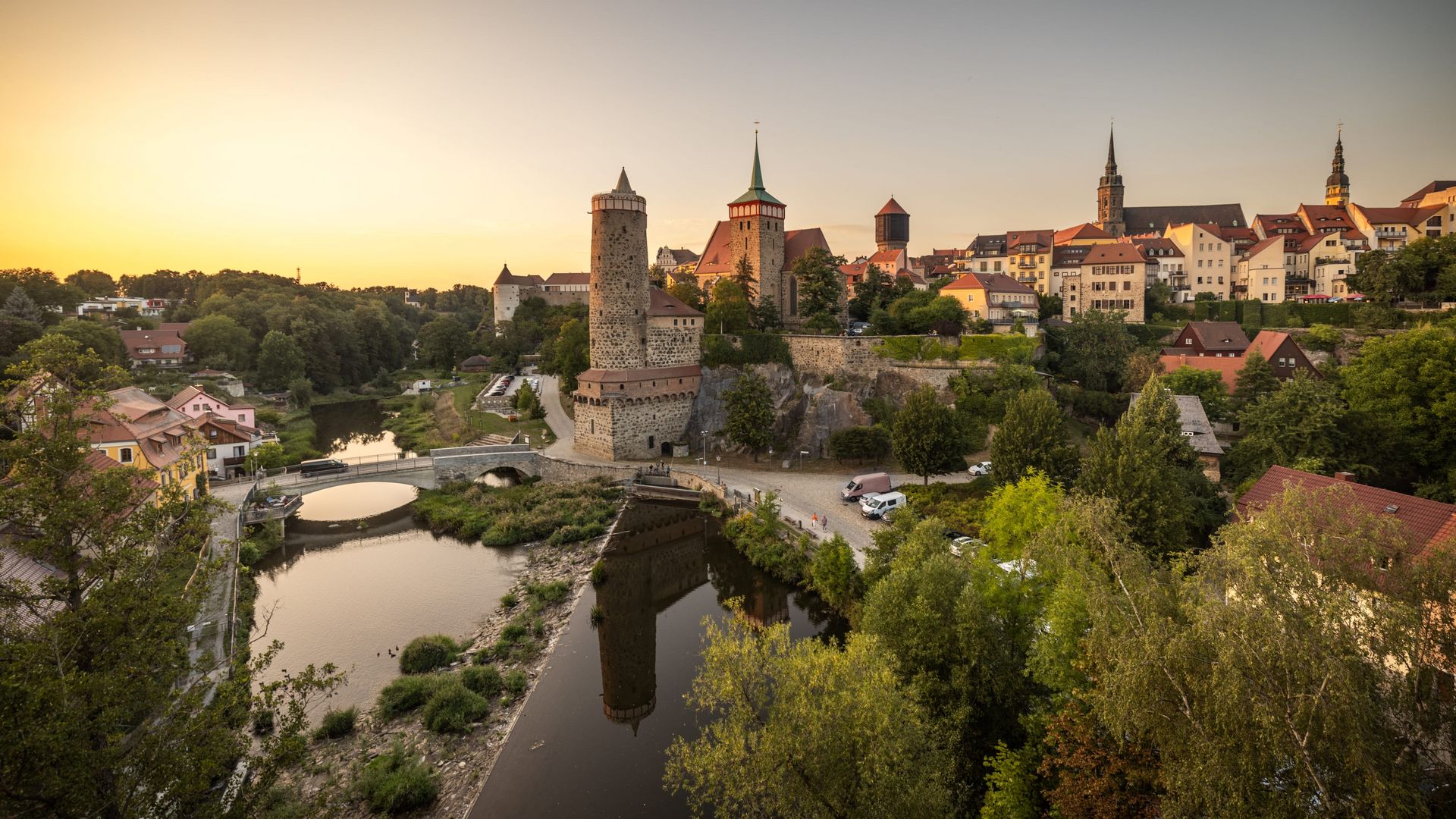
Yet true explorers will be equally drawn to Saxony’s charming historic towns: stroll through the historic streets of Görlitz, discover the striking medieval towers of Bautzen, or wander through the winding alleys of Meissen, the cradle of European porcelain. It is an authentic cultural mix that takes you beautifully off the beaten track.

Eine Frau und ein Mann sitzen in einem Strandkorb am Bärwalder See. Sie machen Urlaub im Lausitzer Neuseenland.
© Katja Fouad Vollmer

Attractions for water lovers and sun-seekers

Where lignite was once mined, vast lakes now glisten. Over the last decades, Saxony has undergone a “blue transition”. Leipzig New Lakeland, with Lake Cospuden at its centre, offers surfing spots and laid-back beach bars right on the city’s doorstep.

In the sprawling Lusatian Lake District, particularly at the expansive Lake Bärwalde, endless sandy beaches and crystal-clear waters await – ideal for sailing or stand-up paddleboarding. Those seeking to unwind and reconnect with nature, escape to the serene shores of Lake Berzdorf where the idyllic Insel der Sinne hotel offers the ultimate tranquil sanctuary.

Sächsischer Weinwanderweg, Weingenuss
© Philipp Herfort Photography

Attractions for food and wine lovers

A taste of slow travel: Dresden Elbland is one of Europe’s smallest yet finest wine-growing regions, where rare grape varieties like Goldriesling thrive on steep terraces between Pirna and Meißen.

Take a leisurely stroll through the vineyards near Radebeul and duck into a traditional wine tavern (Besenwirtschaft) right on the hillside where you will find honest, regional cuisine far removed from the typical tourist hubs. A superb glass of local wine and sweeping views of the Elbe River are all it takes to unwind.

Skiwelt Schöneck
© JJMedia

Attractions for winter lovers

When the days grow shorter, Saxony is at its most inviting. In winter, the Ore Mountains are transformed into a veritable sea of lights. Far from the hustle and bustle of après-ski parties, the focus here is on the crunch of snow underfoot during peaceful winter walks and the discovery of authentic craftsmanship.

Take part in traditional woodworking workshops, warm up with a mulled wine in snow-covered castle courtyards, or take a ride on a historic narrow-gauge railway through a winter wonderland. All the ingredients for an authentic, almost nostalgic winter experience far removed from modern mass tourism.

Urban centres and historic towns in Saxony

Saxony's hidden gems

Halbrunde Rücke aus Stein im Hintergrund, die über Wasser reicht. Am Rand des Wasserfläche stehen Bäume und andere Pflanzen.
© Philipp Herfort Photography

Rakotz Bridge in Kromlau Park

In Upper Lusatia, a rhododendron park in the small town of Kromlau hides the unusual sight of a basalt bridge designed to form a perfect circle when reflected in the water. This peaceful landscaped garden is ideal for a stroll off the beaten track, allowing you to soak up the atmosphere of a unique piece of landscape design – and surely take a picture of Rakotz Bridge.

More about Rakotz Bridge
In der Ferne sieht man Burg und Kloster Oybin.
© Glaubitz

Ruins of Oybin Castle and Monastery

If you enjoy hiking, the Zittau Mountains offer a quieter alternative to Saxon Switzerland. Perched on a striking rocky outcrop are the ruins of Oybin Castle and Monastery, a location highly favoured by Romantic-era painters for the way it seamlessly combines nature with history in a peaceful setting.

More about Oybin Castle
© René Pech

"Manufaktur der Träume" in Annaberg-Buchholz

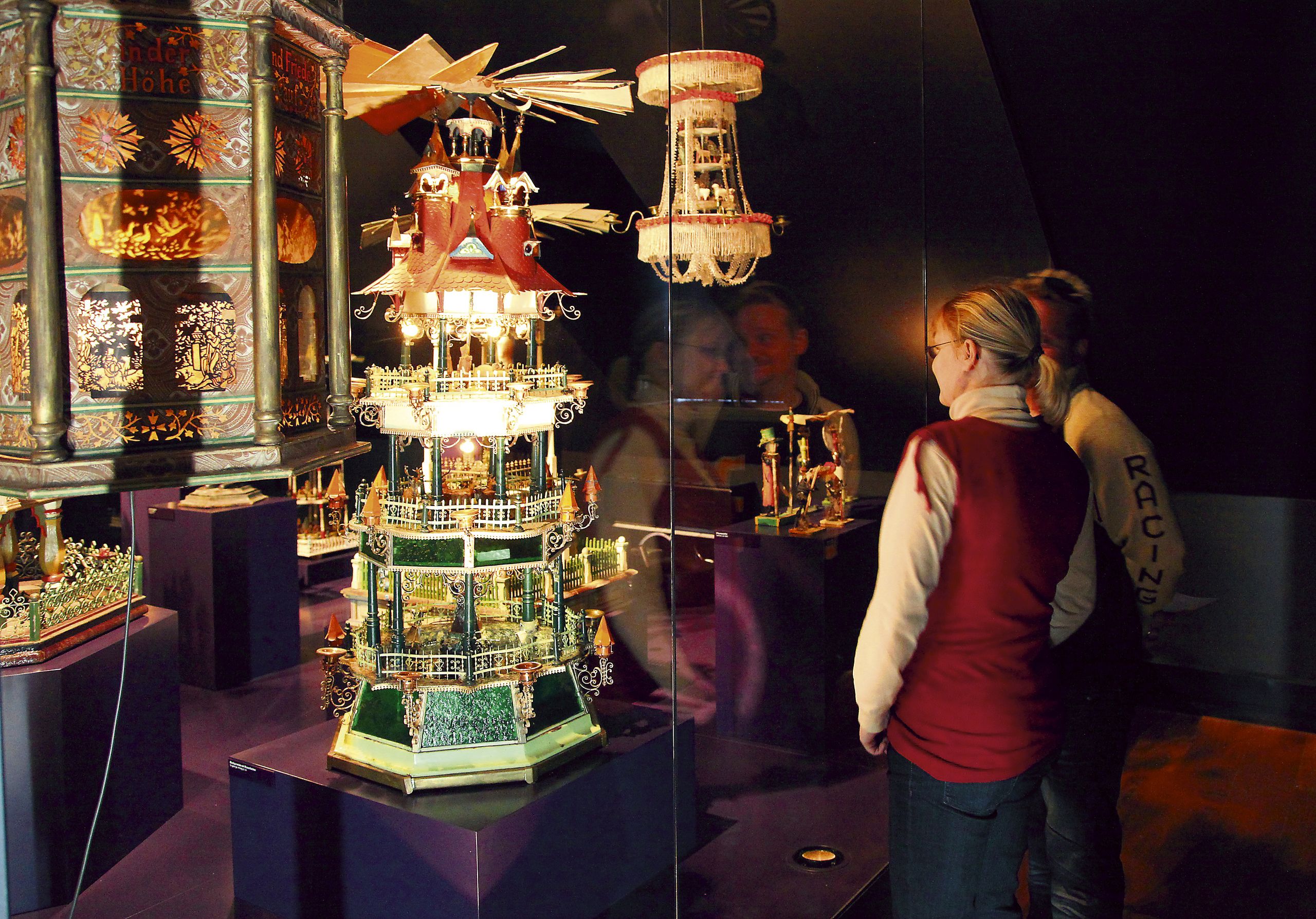
This museum in Annaberg-Buchholz offers a contemporary look at craftmanship from the Ore Mountains. Instead of a traditional exhibition, the "Factory of Dreams" features a multimedia presentation of historic wooden figures and candle arches (Schwibbögen) and is a well-thought-out destination for families and craft enthusiasts that brings regional culture to life. Excellent choice for a rainy day!

"Factory of Dreams"
Göltzschtalbrücke
© Archiv TVV / S. Theilig

Göltzschtal Bridge

In the heart of Saxony’s Vogtland region stands a true testament to the engineering prowess of yesteryear: the Göltzschtal Bridge, the world’s largest brick bridge. The structure forms a striking contrast with its lush green surroundings and is a perfect day-out destination to experience a magnificent piece of 19th-century industrial heritage up close.

Discover Göltzschtal Bridge
Gartenstadt Hellerau, Dresden
© Wolfgang Gärtner

Hellerau Garden City

If you’re in Dresden, it is well worth taking a detour to Hellerau. Founded in 1909 as Germany’s first garden city and a physical manifestation of the German Lebensreform (life reform) movement, it attracted numerous artists. Strolling through the leafy courtyards around the "Festspielhaus" (European Centre for the Arts), you will discover a fascinating chapter in the history of European architecture.

More about the garden city

Short break itinerary

How to spend a long weekend in Saxony

Saxony makes the perfect destination for an inspiring short break. Nowhere else can you experience world-class architecture, the rugged natural beauty of national parks, and authentic wine tastings so close together. Our itinerary links Dresden, Saxon Switzerland, and Meissen for a stress-free trip full of contrasts.

  • Your short break itinerary
© Tomy Heyduck

Culture galore in Dresden

Start your short break in Dresden's Baroque old town. Church of Our Lady (Frauenkirche), the Zwinger, and Semper Opera House are all within easy walking distance of one another. For lunch, it’s well worth popping over to the Neustadt district, where the "Lila Soße" restaurant serves up sustainable, locally sourced regional dishes. In the afternoon, a trip on one of the Elbe River's historic paddle steamers offers a different perspective that is also ideal for families. Alternatively, you could visit the German Hygiene Museum, which is fully accessible and offers a highly interactive exploration of the human body, health and science.

Discover Dresden
Malerweg - Wanderweg in der Sächsischen Schweiz, auf der Basteibrücke
© TMGS / Dennis Stratmann

Out and about in Saxon Switzerland

On your second day, take a train to the scenic Elbe Valley and spa town of Rathen, from where you can walk up to the famous Bastei Bridge, offering sweeping views across Saxon Switzerland's rugged rock formations. If you enjoy hiking, continue on a well-signposted section of the Painters' Way from here. For families and culture lovers, an open-air performance at the Rathen Open-Air Stage makes a lovely addition to the itinerary. The National Park Centre in Bad Schandau is also fully accessible and features informative interactive displays.

Discover Saxon Switzerland
Paar spaziert in Altstadtgasse in Meißen im Herbst / Couple walking in an old town alley in Meißen in autumn
© Philipp Herfort

Discover a castle, porcelain treasures and fine wine in Meissen

Your final day takes you through the winding streets of Meissen. Stroll up to Albrechtsburg Castle and the neighbouring cathedral to enjoy stunning views across the Elbe Rive. An exciting destination for all ages is the fully accessible House of Meissen visitor centre, where you can watch traditional porcelain being made. Round off the weekend at a leisurely pace with a glass of local wine in one of the authentic wine taverns along the riverbank.

Explore Meissen

Accommodation in Saxony

Search and book online

Frequently asked questions about holidays in Saxony

© LTM / Philipp Kirschner

Why Saxony is worth a visit

Saxony is a wonderfully diverse destination, where world-class culture in cities such as Dresden and Leipzig can be combined with time in the countryside – from the dramatic landscapes of Saxon Switzerland to the rolling hills of the Ore Mountains.

Whether you’re planning a relaxing short break, travelling with the family or looking to explore the region’s wine culture, Saxony offers an abundance of fascinating places to discover, from well-known highlights to hidden gems.

  • Explore Saxony holiday stories