© Sebastian Rose

Saxony's palaces, castles and fortresses

Saxony’s splendid palaces, castles and fortresses

With so many palaces, castles and fortresses to choose from, it is hard to make a selection but Dresden’s Royal Palace close to the Semper Opera, Zwinger and Church of Our Lady is, no doubt, a highlight. The palace is among the city’s oldest buildings and suffered hugely during the bombing of Dresden in 1945. Renovation has been gradual since 1985 and the palace is now back to its former Renaissance and Baroque glory. The magnificent Royal State Apartments of Augustus the Strong, the Small Ballroom and the so-called Long Corridor, an impressive ancestral gallery, are the latest splendid spaces to have reopened in 2019 and 2021 after faithful restoration. Prepare to be wowed!

Many of Saxony's palaces and castles date back to the region’s most famous ruler, Augustus the Strong, who liked to impress with his grand residences. His personality looms large in Saxony,and over time, almost superman-like qualities have been attributed to the Saxon Elector and Polish King. He has been described as father of the state, ingenious builder, patron of the arts, ladykiller, and even a “horseshoe bender“. Not all of these monikers correspond to the truth, but he was definitely an impressive figure and rightly remains the most famous ruler Saxony has ever had.
Palaces, castles and fortresses

What do you want to explore? 

Palaces and castles

© Schlösserland Sachsen / Sylvio Dittrich

Fortresses

© Sebastian Rose

Highlights not to be missed

Saxony's most beautiful palaces and castles

Albrechtsburg Castle

Albrechtsburg Castle, perched high on a hill above the Elbe River in Meissen, is a must-see. This masterpiece of Late Gothic architecture is considered to be the first modern castle built in Germany. Under great secrecy, Augustus the Strong had the first European porcelain manufactory built behind its walls. Tip: try the HistoPad device, included in the entry ticket, for an immersive castle tour!

Albrechtsburg Meissen
© Szalone Walizki/Jarek Kowalski
© Arvid Müller / DMG

Moritzburg Castle

Looking for a proper fairytale setting? Moritzburg Castle is the one. The pretty moated castle near Dresden draws visitors from near and far and makes for great photos. Augustus the Strong had it converted into a hunting lodge and pleasure palace in the 18th century to stage lavish parties there. Like Albrechtsburg Castle, Moritzburg Castle can be explored with the HistoPad which is included in the ticket.

© Marcel Quietzsch / DD Pix

Dresden's Zwinger

Dresden’s Zwinger palace is another stunning structure that has Augustus the Strong’s name attached to it who had it built of sandstone from Saxon Switzerland. The Baroque style ensemble was intended for representational purposes and for the ruler’s art collections. It is made up of several buildings, pavilions and galleries that merge into one another and frame a beautiful courtyard. The Semper Gallery, which was added later, now houses the Old Masters Picture Gallery, one of the world’s major collections of paintings featuring masterpieces from the 15th to 18th centuries by Rubens, Botticelli, Rembrandt or Cranach – including Raphael's divine “Sistine Madonna”.

Colditz Castle

Going back almost 1,000 years, Colditz Castle is one of Saxony’s oldest and largest castles. Not least because of the black-and-white classic “The Colditz Story”, it is nowadays internationally best known for having been a prisoner-of-war camp for allied officers during World War II. However, the castle on the Mulde River south of Leipzig was already an imperial seat under Emperor Barbarossa and has a colourful history to be explored by curious visitors. Today it also houses a popular youth hostel.

Schloss Colditz
© Sebastian Rose Fotografie
© Andreas Franke

Hartenfels Castle

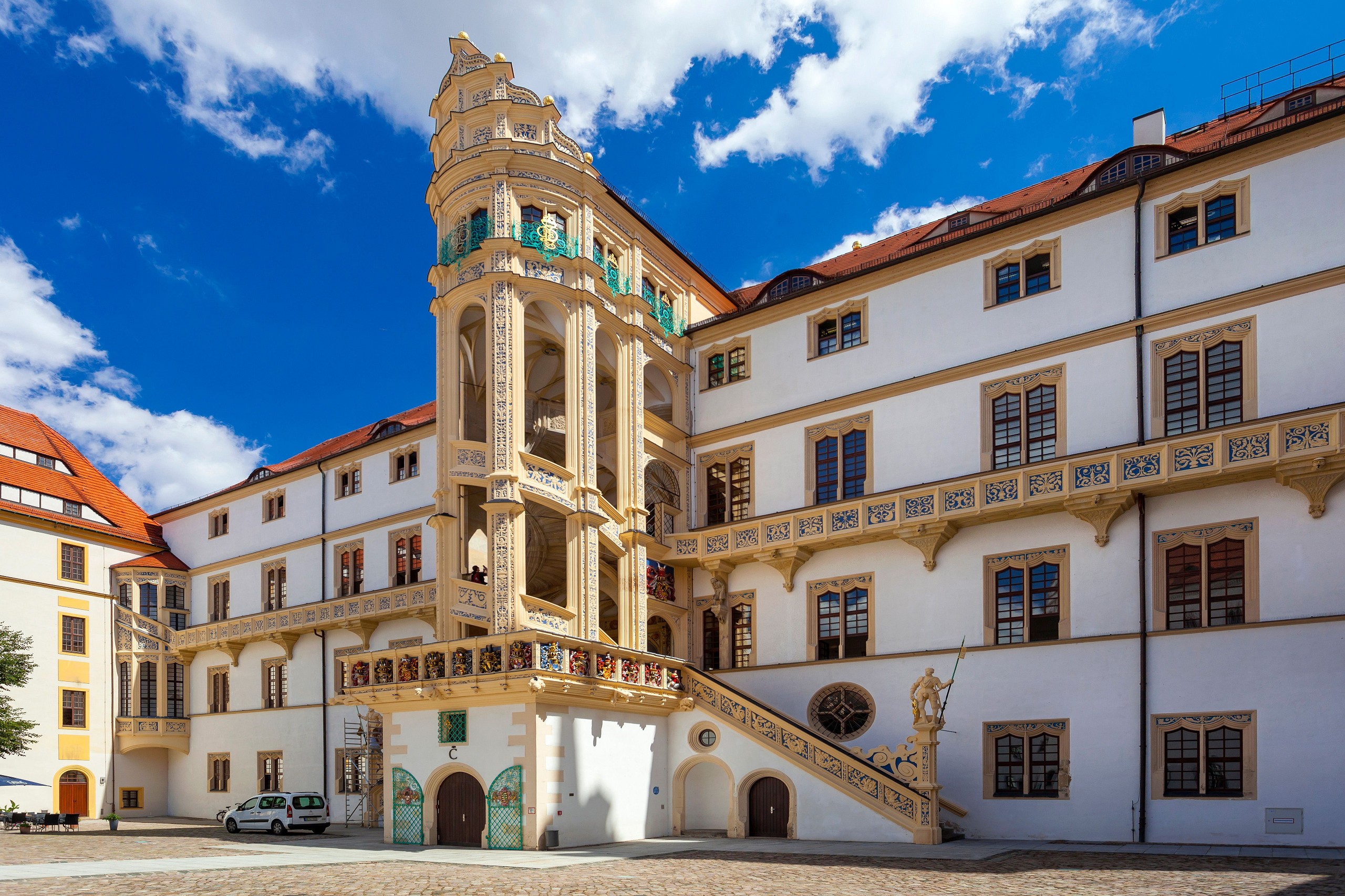
For an architectural masterpiece of the Renaissance head to Torgau in the north of Saxony. The history of Hartenfels Castle is closely related to the Protestant Reformation and the castle church was inaugurated by Martin Luther himself as the first new Protestant church ever built. Later, Hartenfels became a Napoleonic fortress and then a Prussian barracks. Don’t miss the stunning “Grosser Wendelstein”, a grand, enclosed spiral staircase in the inner courtyard!

Fun fact: Hartenfels Castle has a long tradition of keeping bears, going back to the 15th century. In spring 2021, the brown bears' enclosure in the castle moat was redesigned with a bridge made of pine logs, a new hill, a stone cave and a wooden log coated in beechwood tar for the bears to rub their back fur against.

Weesenstein Castle

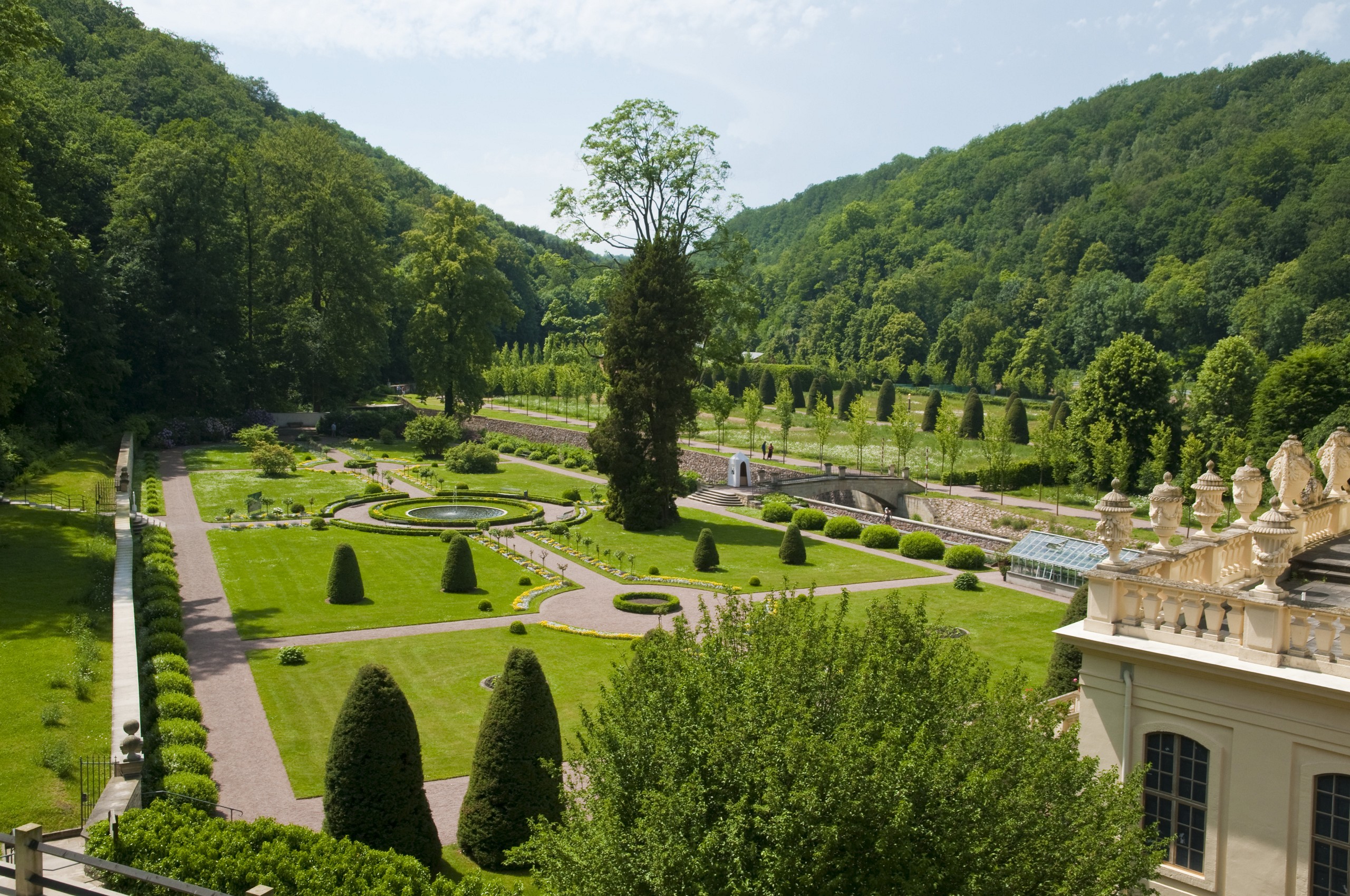
Weesenstein is an interesting mix of palace and castle, perching high on a rocky outcrop above the valley of the Müglitz River in the Ore Mountains and also close to Saxon Switzerland National Park. The architectural masterpiece with eight storeys grew stone by stone over more than 800 years, which is why stylistic elements from Gothic to Classicism can be found here. As one of only a few buildings of this kind, it has an incredibly well-preserved interior offering great insights into the lives of the noble inhabitants. These include a 300-year-old gold-leather wallpaper adorning the dining room, a handmade Chinese paper wallpaper and the "Amor and Psyche" panorama wallpaper from 1816. Definitely one of a kind! The adjacent park with its nice layout is a wonderful retreat.

© Ernst Wrba

Highlights not be missed

Saxony's mighty fortresses

Kriebstein Castle

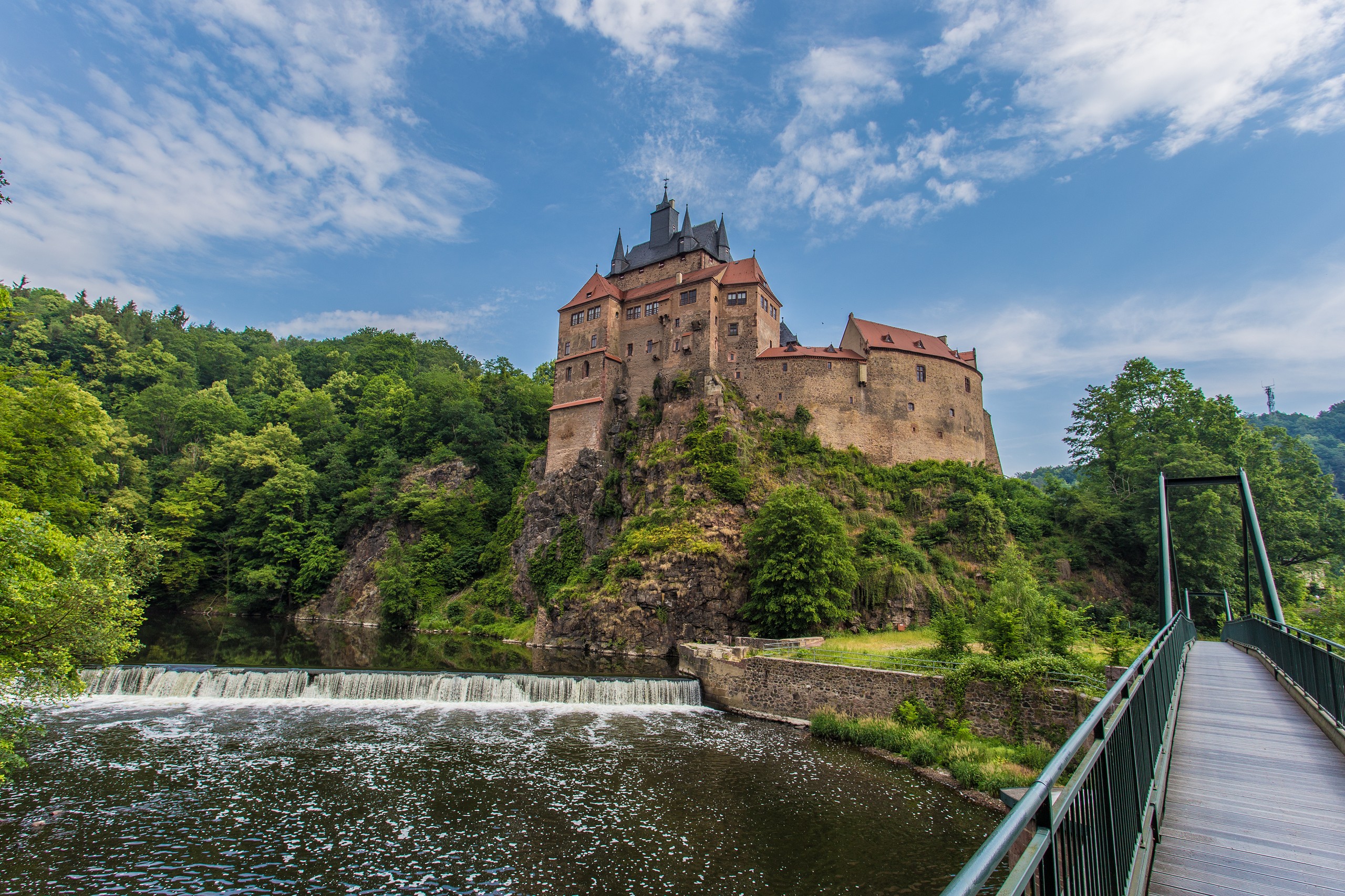
Neighing horses, creaking knight's armour, the sound of clashing swords: at Kriebstein Castle, located high above the Zschopau, the Middle Ages come alive. It sits high on a rock surrounded by a forest and with a history spanning six centuries, has many an exciting story to tell.

© Sebastian Rose
© Anita Demianowicz

Mildenstein Castle

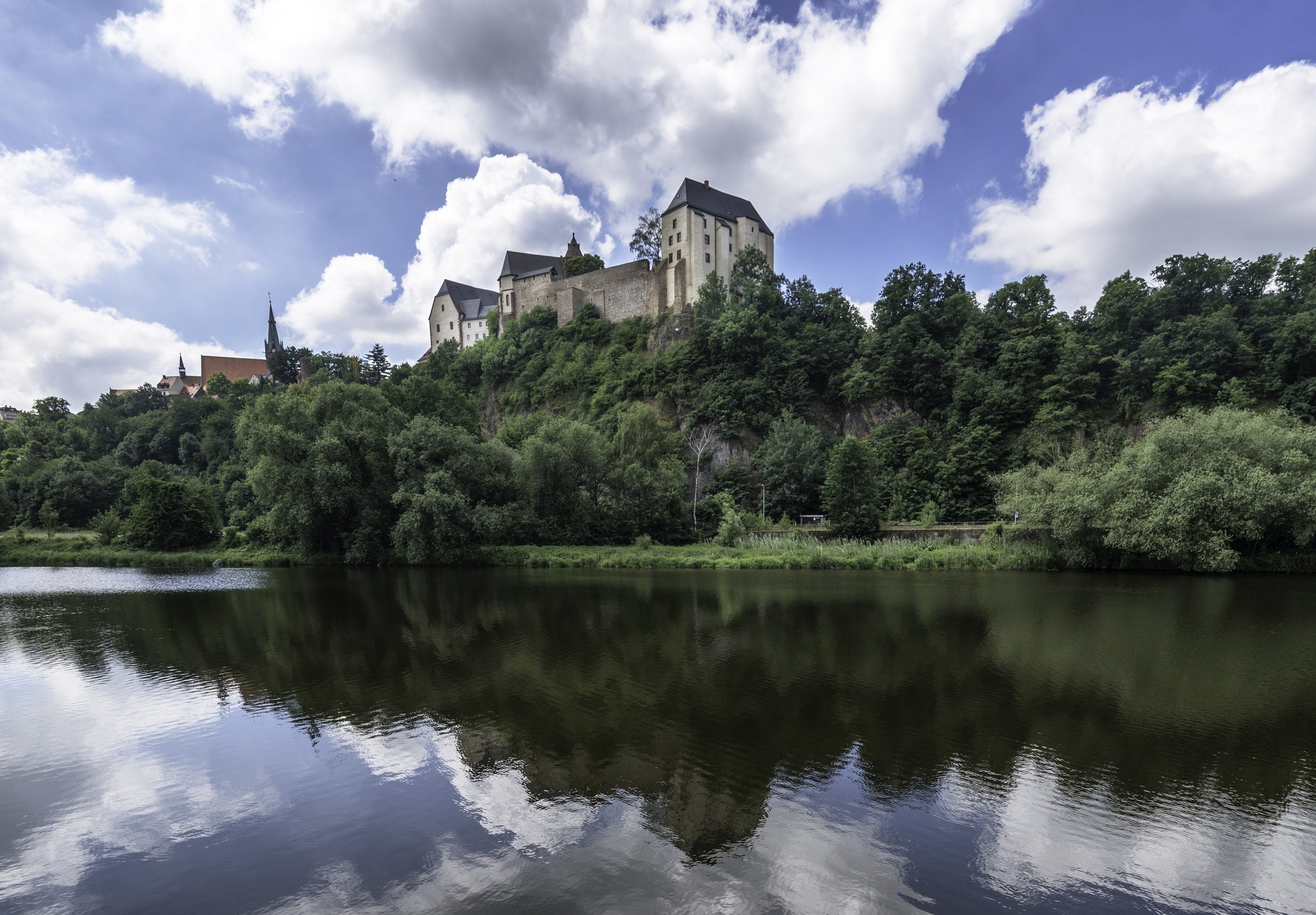
Mildenstein Castle in the town of Leisnig is one of the oldest castles in Saxony. Anyone who climbs up the steps to the mighty structure, will be rewarded with a magnificent view of the valley of the Mulde River. Check out the kitchen with its open fireplace (still functioning!), the knights' hall and the wooden floor of the Gothic granary. Leisnig and the castle are also important stops on the Luther Trail.

Königstein Fortress

Blessed with a spectacular location, Königstein Fortress perches 240 metres above the Elbe valley on a table mountain in the Elbe Sandstone Mountains. With its 42-metre-high outer walls, it is Europe's largest mountain fortress and a real bulwark. In fact, Königstein has never been taken by enemies. Visitors, however, are nowadays more than welcome and can enjoy one of the best views of Saxon Switzerland National Park’s stunning scenery.

  • Tip: in 1725, in a competition to build the largest wine barrel, Augustus the Strong had one built on the site of Königstein Fortress – with a capacity of 238,600 litres. You can see a modern replica in the wine cellar in the form of an artistic installation made of glass, steel, light and music.

© Sebastian Rose
© Klaus Schieckel

Stolpen Castle

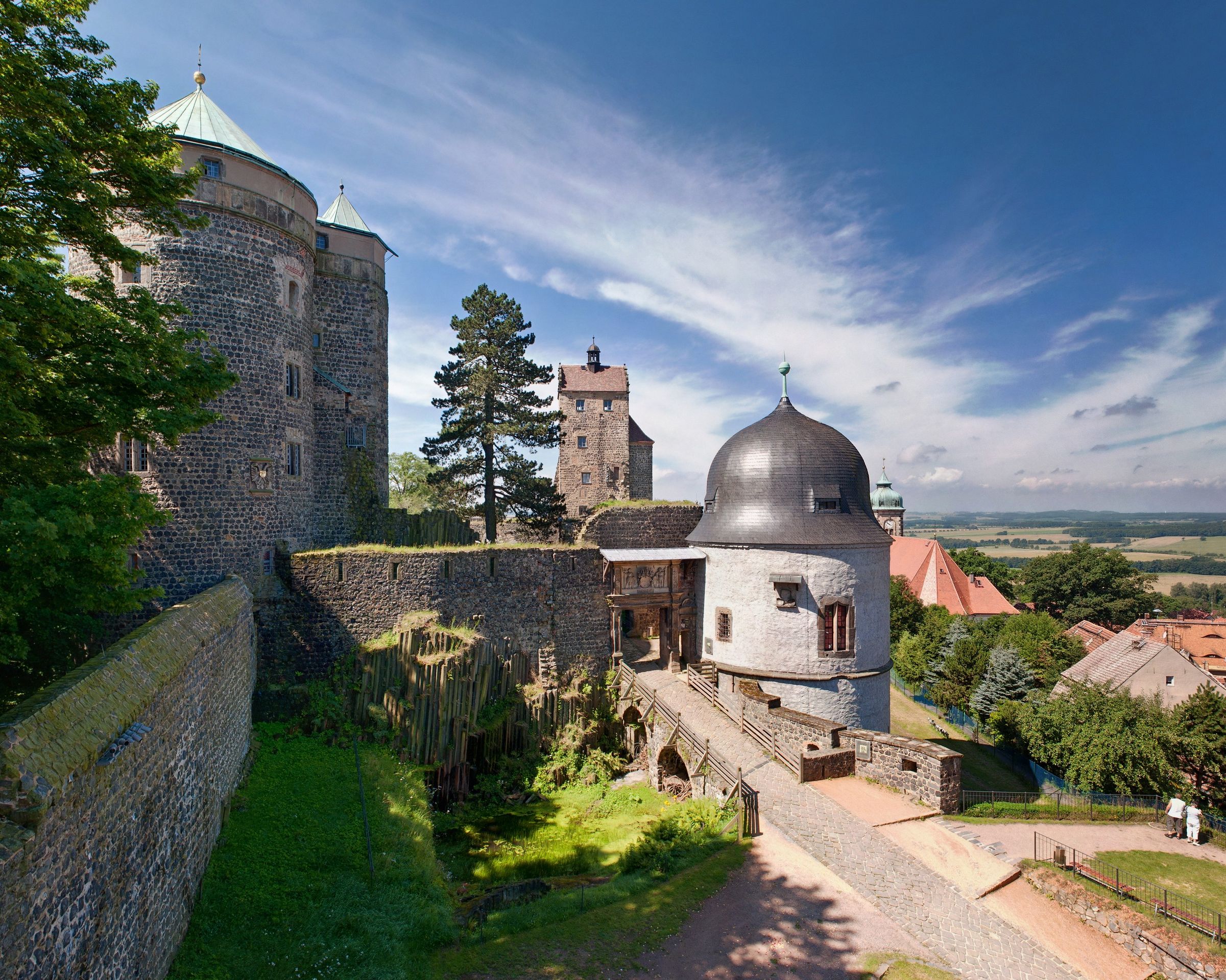
Stolpen Castle’s history goes back to the 13th century. In 1713, Augustus the Strong decided that it would be a good place to imprison his mistress, Countess Cosel, for whom he had previously bought Pillnitz Palace and who had become a political liability. He unceremoniously sent her into exile in the 200-metre-long castle, where she lived for almost 50 years until her death in 1765. The castle and her former living rooms can still be visited today.

  • Tip: take a look at the medieval torture chamber, but beware of the crazed giggles of the castle ghost Basaltus!

Oybin Castle

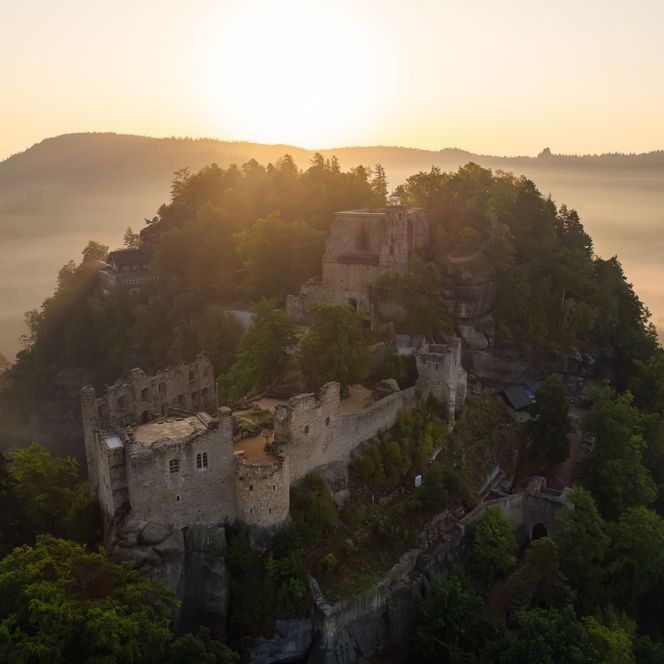
The ruins of Oybin Castle are perched on the rocky massif of mount Oybin in the Zittau Mountains. In the 14th century, Emperor Charles IV had the castle converted into his retirement home. The German Romantic landscape painter Caspar David Friedrich immortalised the ruins as seen by moonlight in atmospheric, gloomy paintings. The nearby monastery church ruin is no less fascinating. The romantic ensemble is a true visitor magnet.

  • Tip: in a small house on the 514-metre-high Oybin Mountain, you'll find a rare camera obscura (pinhole camera), which is one of the brightest in Europe!

Eine Familie steht auf dem Berg Oybin neben einer Ruine und schaut sich die Landschaft des Zittauer Gebirges an.
TMGS / Dennis Stratmann | CC0

Accommodation in Saxony

#visitsaxony

Share your experiences with our community!

Urheberrecht Englisch | CC0