© IMC, Fotograf W. Schmidt

Industrial heritage

Explore Saxony’s fascinating industrial heritage

From the late 18th century to World War II, Saxony was Germany's leading industrial region.The affinity of the Saxons for technology goes back to mining, which started as early as in the 12th century. From Chemnitz, the „cradle of German engineering“, the process spread throughout the whole region and led to a very diverse industry with many world market leaders. Access to the markets was very easy since Leipzig was the leading trade fair location in the world. This golden age ended abruptly after World War II when Saxony had the misfortune of falling behind the Iron Curtain. However, Saxony remained the centre of industrial production in the GDR and one of the key industrial regions in the entire Eastern Bloc.

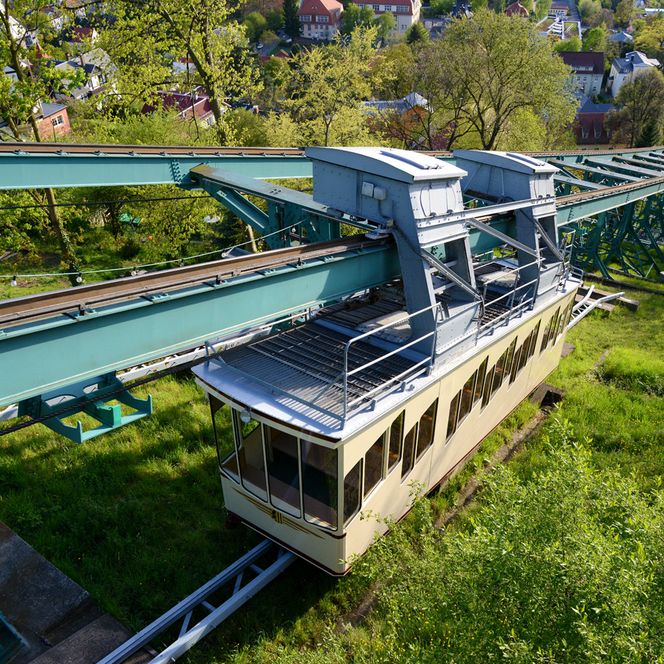
The German Reunification marked a completely new beginning, which brought an end to many things, but also opened up new opportunities. Important former industrial sites were preserved as museums where historic technology can often still be demonstrated. Other technical monuments, like some of the narrow-gauge steam train lines, the steamboats on the Elbe River or the aerial tram in Dresden, are still in daily operation. But the industrial age produced also other kinds of architecture like the villas of the rich industrialists or Germany’s first city, Hellerau, today part of Dresden. Explore Saxony's industrial history to learn all about traditional industries like mining, car construction, textile manufacturing and many others that are part of this region’s rich industrial history.
Highlights of industrial heritage

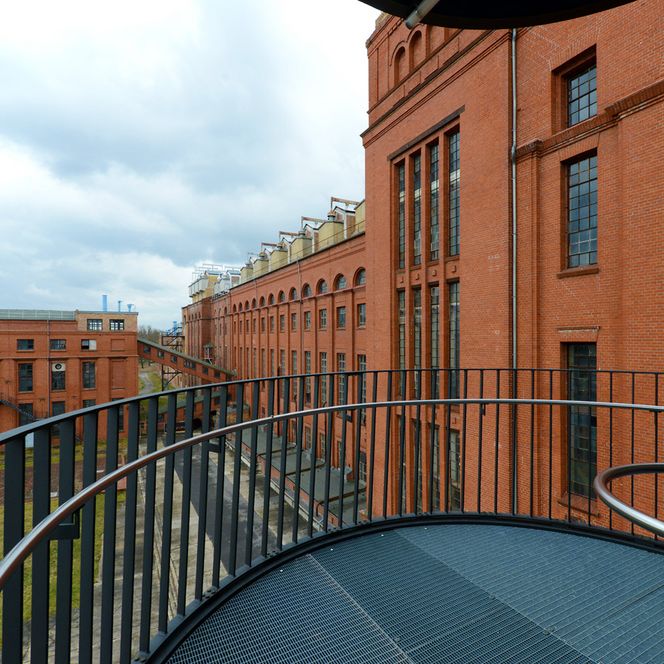
Knappenrode Energy Factory

© Holger Stein Fotografie

Chemnitz Industrial Museum

© Wolfgang Gärtner

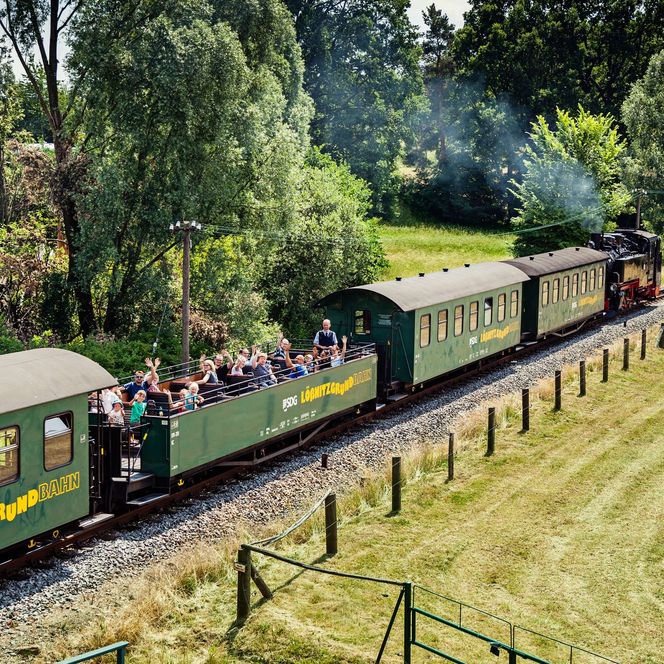
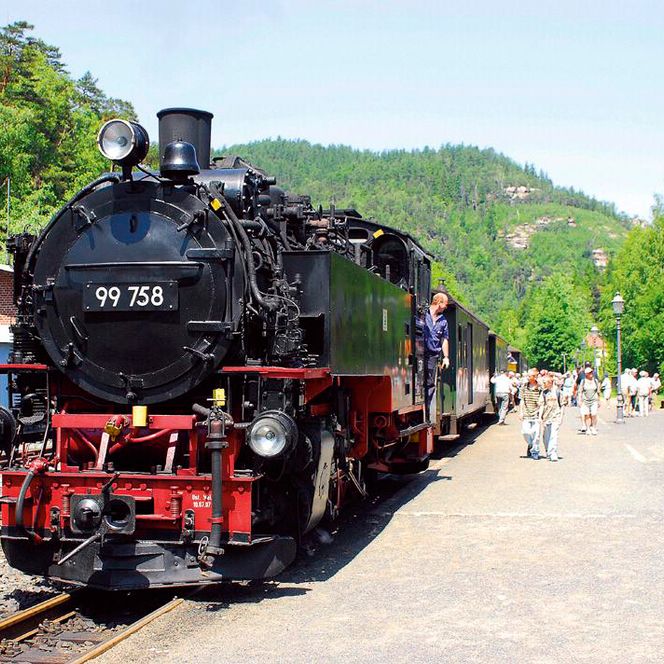
Saxon Steam Railway Route

© Christian Sacher

Textile Factory Gebr. Pfau

© Carlo Böttger

Saxon Steamboat Company

© Sebastian Rose

Schminke House in Löbau

© Holger Stein Fotografie

Villa Esche in Chemnitz

© Wolfgang Thieme / CWE

Saxon Silver Route

© Nitka Szymon
Horchmuseum, Zwickau
© Holger Stein Fotografie

Don't miss

August Horch Museum in Zwickau

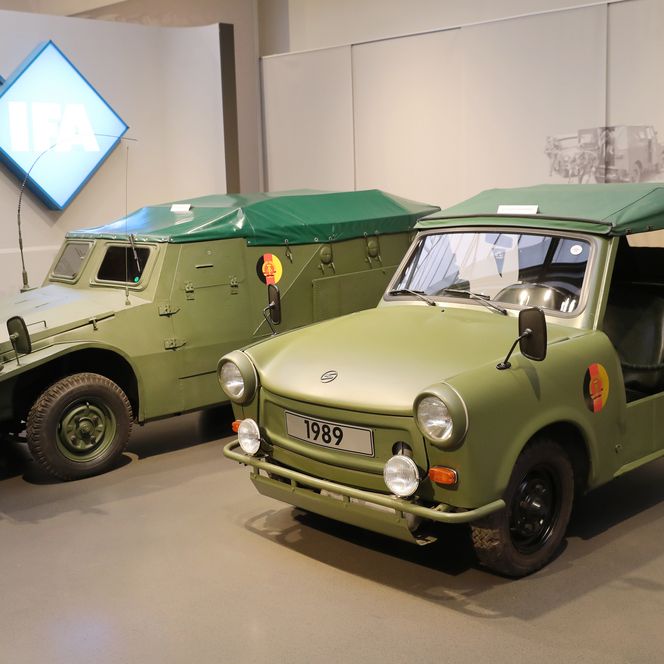
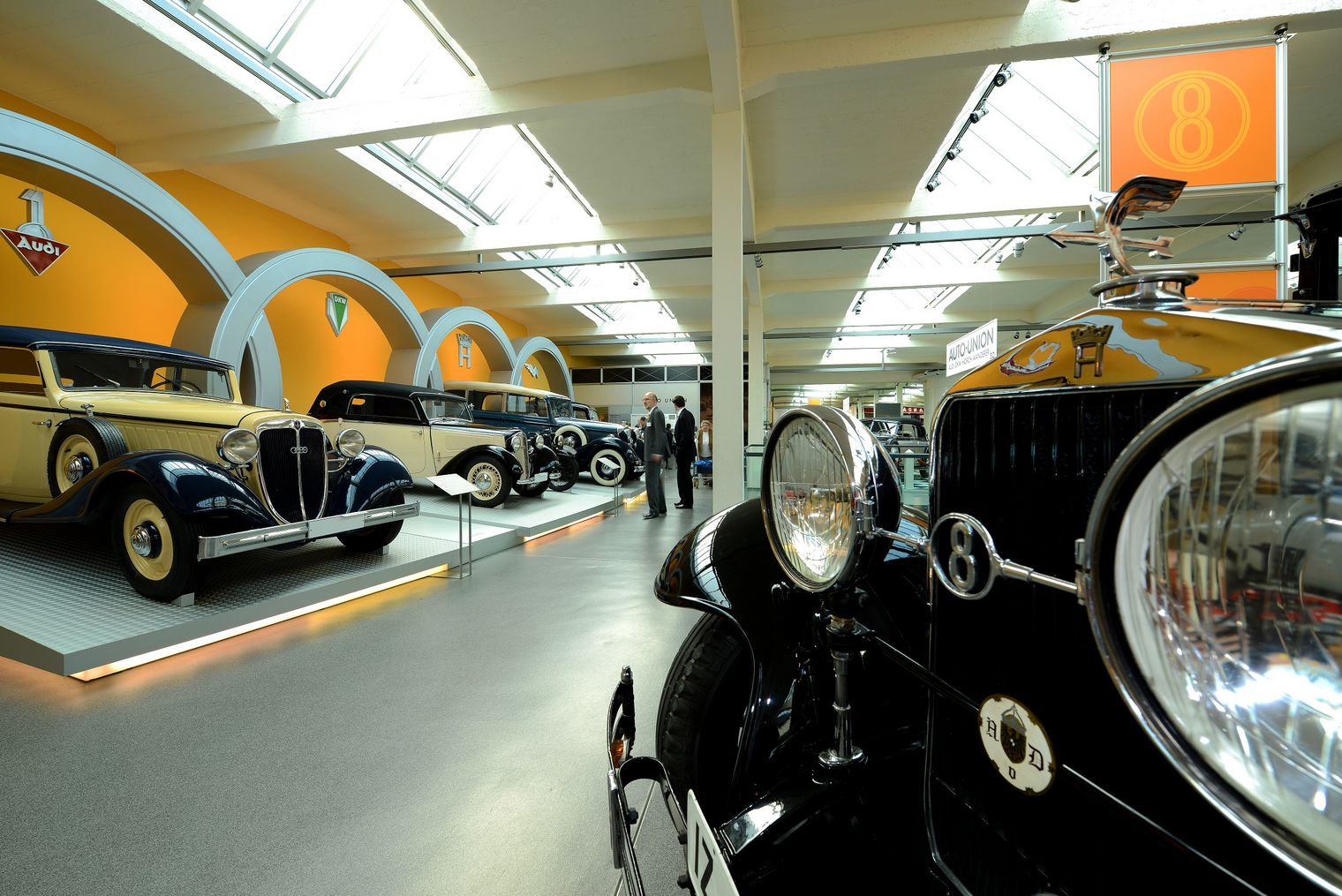
In Zwickau, one August Horch kicked off the history of automotive engineering in Saxony in 1904. Car buffs will find a lot to love in the local August Horch Museum, including luxurious Horch, Audi, Wanderer, DKW or VW models of times gone by, but also the iconic small GDR cars, known as Trabant, which were produced by the former East German car manufacturer VEB Sachsenring Automobilwerke Zwickau until 1991. The August Horch Museum is one of only two museums in Germany located at an original production site, in this case of Audi and Trabant, so expect lots of authentic spirit. Visitors can experience a unique journey through 117 years of car manufacturing in western Saxony with around 150 exhibits on display. The Museum is also one of only three anchor points in Saxony that are part of the European Route of Industrial Culture.

Our 6 tips

Museums & Manufactories

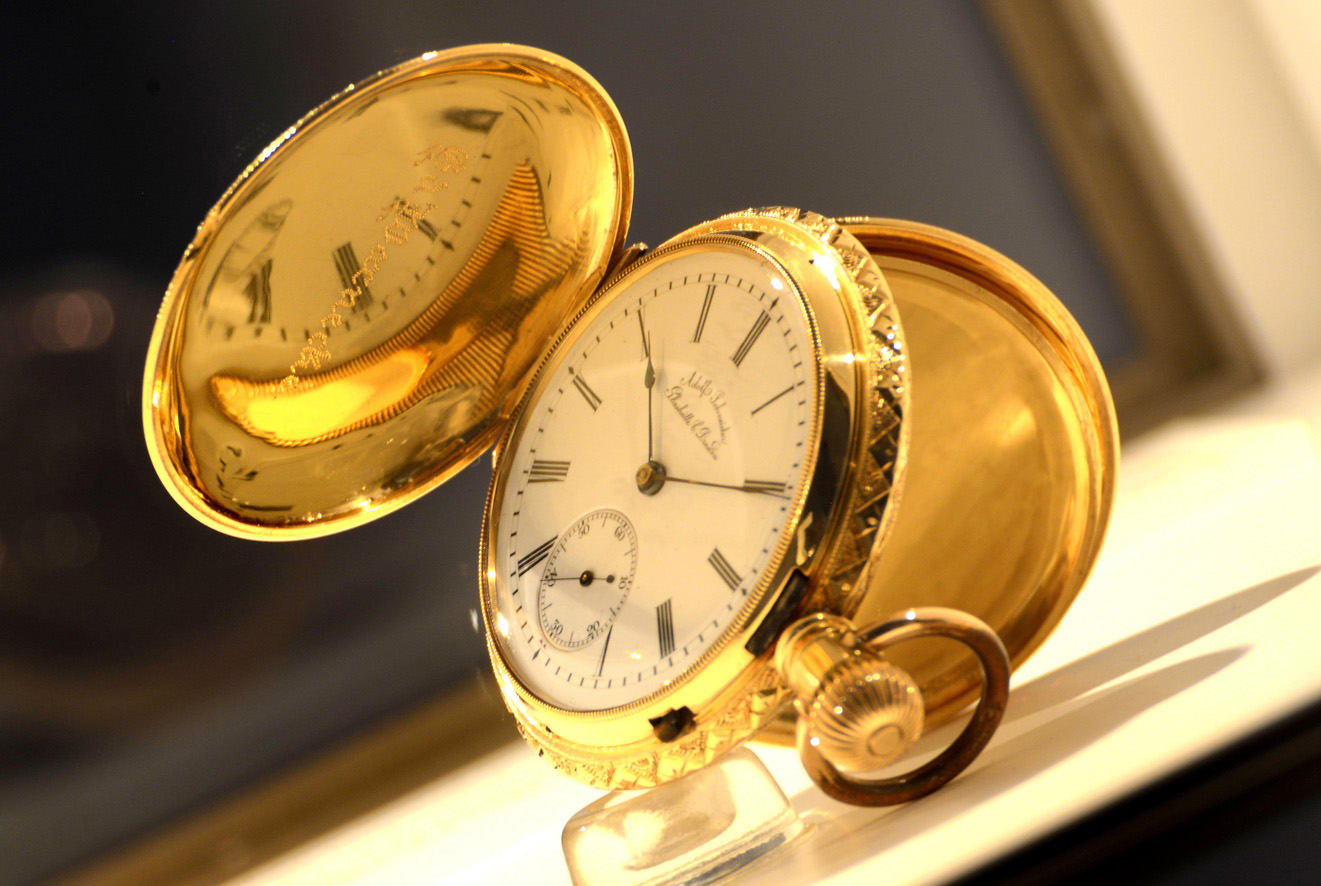
  • German Clock and Watch Museum Glashütte – Glashütte in the Ore Mountains seems to follow its own sense of time. The town’s world-renowned watchmaking tradition began in 1845 with the establishment of its first manufactories, laying the foundation for a legacy of precision craftsmanship that continues to this day.

  • German Chairmaking Museum Rabenau – Discover the history of Rabenau’s once-thriving chair-making industry in the former manor building of Rabenau Castle. The exhibition traces the development of local craftsmanship and industrial production that made the town famous for its chairs.

  • Konrad Wachsmann House Niesky – Niesky became renowned as a centre of timber prefabricated house construction. Today, the former director’s residence and the model housing estates of the Christoph & Unmack company offer fascinating insights into this unique chapter of architectural and industrial history.

  •  Meissen State Porcelain Manufactory – Erlebniswelt MEISSEN - Founded in 1710, Europe's oldest porcelain manufactory has stood for outstanding craftsmanship and timeless artistry for more than 300 years.

  • Weisswasser Glass Museum - Housed in a former glass manufacturer's villa, the Glass Museum Weisswasser presents the history and development of the Lusatian glass industry. With a collection of more than 60,000 exhibits, it offers fascinating insights into one of the region's most important industrial traditions.

  • Musical Instruments Museum in Markneukirchen - Founded in 1883, the museum in Markneukirchen showcases the history of instrument making from the 17th century to the present day. Its extensive collection highlights the region’s long-standing tradition of craftsmanship and musical excellence.

© Holger Stein Fotografie
Meissen Porzellan, Teekanne mit Schneeballblüten
© MEISSEN

Watch Saxony's industrial heritage come to life

Industrial heritage sites in Saxony

Architecture, music and industrial heritage

Further cultural tips for your holiday

Music

© Jens Gerber

Architecture

© Sylvio Dittrich

Castles & palaces